7 Best Insoles for Water Shoes 2026: Breathable, Quick-Drying Picks That Drain Fast

The best insoles for water shoes are breathable, quick-drying designs that drain water fast. Avoid foam that soaks and stays wet.

Many travelers grab foam insoles for water shoes, only to find them soggy and slow to dry. That's because most athletic insoles are designed for moisture wicking, not water drainage.

The key is to look for insoles with perforations or honeycomb patterns that let water escape. Our guide focuses on breathable, quick-drying options that actually work in wet environments - without breaking the bank.

For most water shoe users, the sweet spot is under $15. These insoles trade some long-term durability for immediate comfort and fast drying - a fair exchange for beach days or poolside trips.

1

Best for Water Shoes

XINIFOOT Breathable Insoles

85 /100
Traveler Score Excellent

Key details

Material
Elastic rubber with mesh
Check Details on Amazon

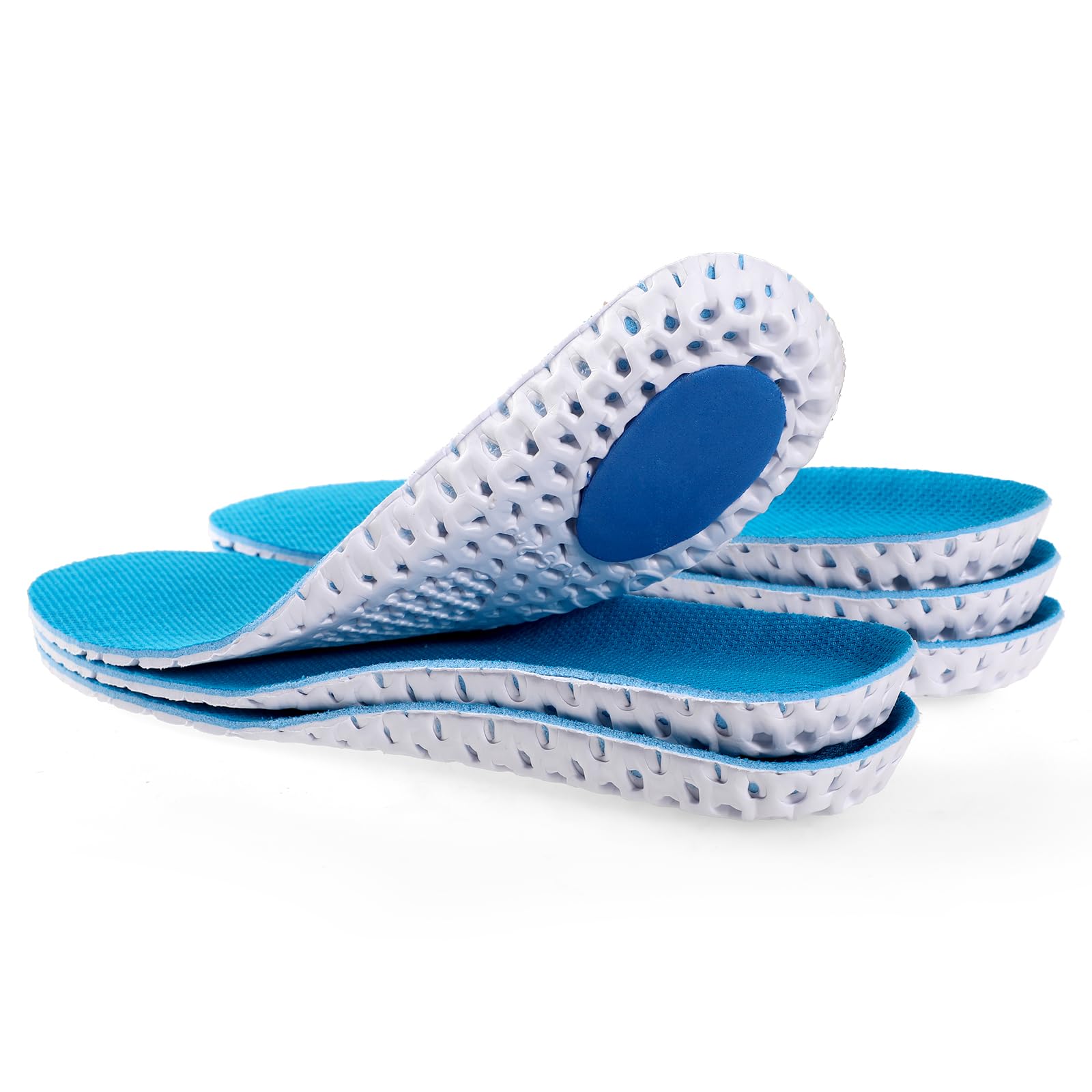
The XINIFOOT insoles are the only product in this roundup that buyers explicitly confirm work in water shoes. The honeycomb base channels water through rather than absorbing it — water literally drains out the bottom — and the open-cell mesh dries in minutes, not hours. This prevents the waterlogged, heavy feeling that foam insoles create. The thin profile slips into tight water shoe toe boxes without crowding. The honeycomb design is specifically mentioned by buyers as ideal for water shoes, a feature absent from most competing insoles.

This design is a practical match for beach walks, kayaking, and poolside use — anywhere your shoes are going to get wet. Breathability is a strong point: the mesh lets air circulate, reducing the clammy feeling after a day in the water. Multiple buyers note the quick-drying property as a key advantage over typical athletic insoles, and the three-pair pack offers flexibility to rotate between shoes.

Who this works for: budget-conscious buyers who need a breathable, quick-drying insole for water shoes, not for high-impact running or thick cushioning. The top layer may peel after a season of regular use — acceptable given the low per-pair cost. The three-pair pack costs roughly what a single pair of premium insoles runs, making replacement painless. If durability and plush padding are priorities, look at foam-based options for dry shoes instead.

💡 Remove after each wet use and let air dry completely to prolong the top layer.

Pros

  • Works great in water shoes
  • Breathable mesh dries quickly and prevents waterlogged feel.
  • Good value for money

Cons

  • Top layer may peel after a season of regular use.
  • Cushioning may feel thin for those accustomed to thicker insoles.
Our verdict

For water shoe use at a low price, the XINIFOOT insoles deliver drainage and quick-drying that most athletic insoles can't match. Just be prepared to replace them after a season.

Check Latest Price
2

Thinnest Option for Tight Water Shoes

Sintege Breathable Insoles

85 /100
Traveler Score Excellent

Key details

Material
Double-layer latex foam
Check Details on Amazon

The Sintege insoles stand out for their ultra-thin 3mm profile, which fits snugly into water shoes where thicker options would push against toes or feel bulky. The perforated latex foam allows water to drain and air to circulate, so they dry quickly after a trip to the beach or a kayak outing. However, the double-layer construction can separate with repeated use, and the cushioning flattens sooner than denser alternatives. These are best for budget-minded buyers who need a temporary replacement for occasional water shoe sessions, not for daily wear or rugged conditions.

💡 Rinse after exposure to salt or sand and let air dry to slow layer separation.

Pros

  • Ultra-thin 3mm design slides easily into tight water shoes.
  • Three pairs for one low price, ideal as a backup set.
  • Breathable perforations help water drain and air circulate.

Cons

  • Cushioning flattens more quickly than thicker insoles.
  • Double-layer foam can separate after limited use.
Our verdict

For a few dollars, these insoles serve well as a spare set for water shoes when you do not need long-term support or heavy cushioning.

Check Latest Price
3

Best Breathable Honeycomb

Risctrre Breathable Insoles

85 /100
Traveler Score Excellent

Key details

Material
Elastic rubber with gel
Check Details on Amazon

The honeycomb perforated design allows water to escape and air to circulate, making these a potential option for water shoes even without explicit buyer confirmation. They trim to fit and hold up reasonably well for the price. The cushioning is thin though, so they suit short, active use or hot weather situations where breathability matters more than soft support.

💡 Rinse after saltwater use and allow to air dry quickly to maintain the rubber's flexibility.

Pros

  • Breathable honeycomb design promotes water drainage and airflow
  • Trimmable and washable for easy maintenance
  • Holds up well for daily use at a budget-friendly price

Cons

  • Minimal cushioning may feel firm underfoot during extended standing
  • Thin profile can cause pressure points in shoes with limited depth
Our verdict

Best for buyers who prioritize breathability and drainage over plush cushioning, especially for short water sessions or hot weather use.

Check Latest Price
4

Also from XINIFOOT (Elastic)

XINIFOOT Elastic Insoles

86 /100
Traveler Score Excellent

Key details

Material
Mesh, HI-POLY, EVA
Check Details on Amazon

The XINIFOOT Elastic insole uses a three-layer honeycomb design with an elastic core for shock absorption, adding noticeable padding to athletic sneakers. Sold as a value three-pack, it is a cost-effective replacement for dry-land sports shoes. Its water shoe suitability has not been verified, and durability is mixed over extended use, making it a better choice for casual workouts than for wet conditions.

💡 Air out after each use to prolong the insole's lifespan.

Pros

  • Comfortable cushioning adds padding to everyday athletic shoes.
  • Three-pack offers affordable replacement value.

Cons

  • Cushioning may feel less plush than expected for some buyers.
  • Layer separation can occur with extended use.
Our verdict

A budget-friendly three-pack for everyday athletic shoes, but not recommended for water shoes due to unresolved durability and moisture concerns.

Check Latest Price
5

Runners

Sof Sole Airr Performance

89 /100
Traveler Score Excellent

Key details

Material
PU Foam & Gel
Check Details on Amazon

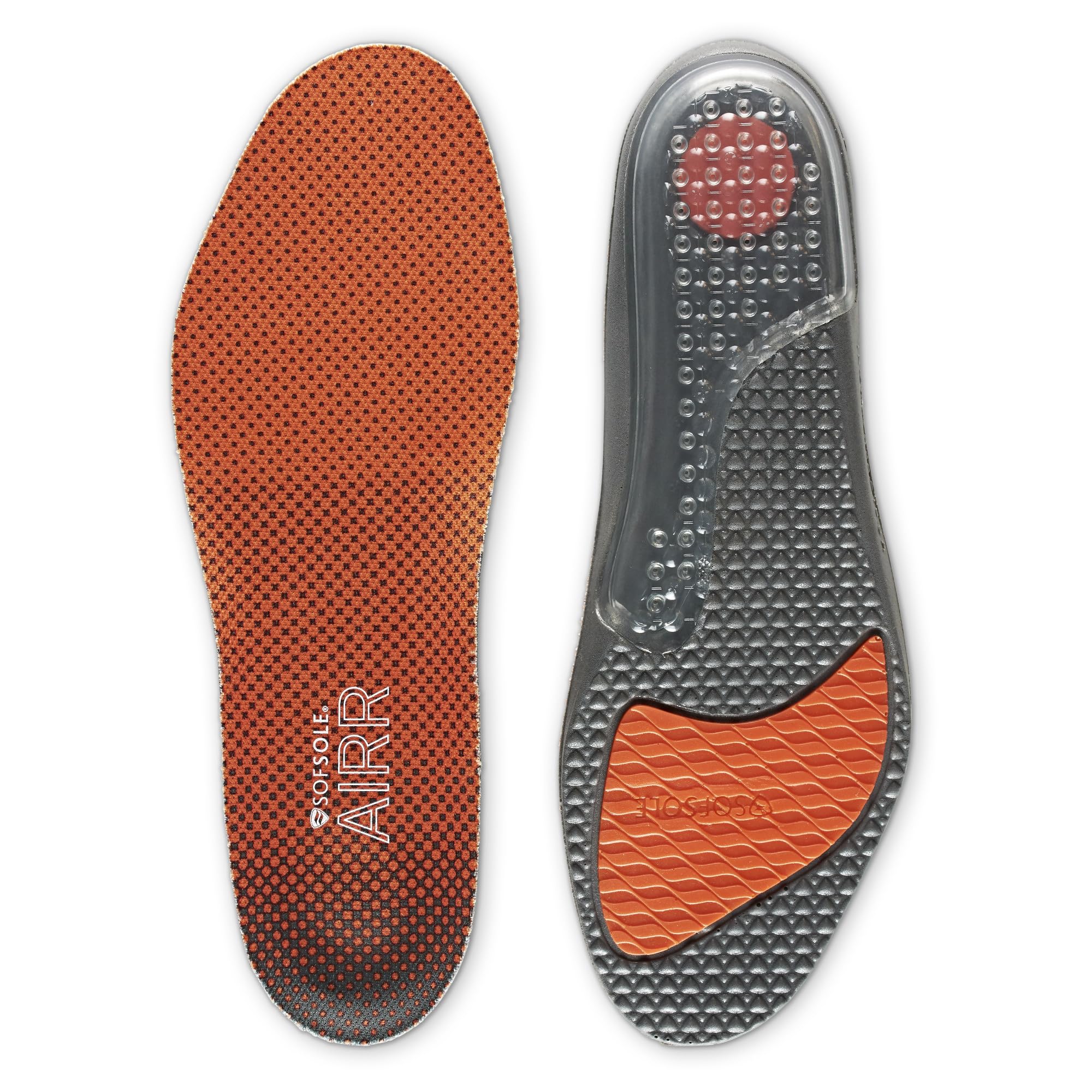
The Sof Sole Airr Performance delivers effective cushioning and arch support for athletic shoes, using Skydex air bubbles and Coolmax fabric. However, its thick foam construction retains water and is too bulky for most water shoes, making it a mismatch for wet use. It is best reserved for dry-land running and training.

Pros

  • Provides strong cushioning and impact absorption for high-impact activities.
  • Offers good arch support for neutral to low arches.

Cons

  • May run short in some sizes, so checking fit is important.
Our verdict

Best for runners and cross-trainers who need shock absorption in dry athletic shoes only.

Check Latest Price
6

Casual Daily Wear

Dr. Scholl's Float-On-Air

89 /100
Traveler Score Excellent

Key details

Material
Foam
Check Details on Amazon

Dr. Scholl's Float-On-Air insoles deliver soft cushioning and odor control for everyday sneakers and loafers. The foam core, however, absorbs water and dries slowly — a poor match for water shoes where drainage and quick drying matter. Durability can vary, with some users noting the cushioning flattens sooner than expected under regular use.

Pros

  • Soft cushioning relieves tired feet during daily wear.
  • Good value for the price in casual footwear.

Cons

  • Cushioning may compress faster under heavier use.
Our verdict

Suitable for everyday casual shoes where moisture is not a concern, but avoid for water shoes or wet environments.

Check Latest Price
7

WHITIN Shoe Owners

WHITIN Barefoot Insole

89 /100
Traveler Score Excellent

Key details

Material
Check Details on Amazon

These WHITIN replacement insoles fit the brand's barefoot shoes precisely, offering 4mm and 6mm thickness choices for adjusting ground feel. However, compatibility stops there - they only work with WHITIN footwear and lack the drainage or quick-drying materials needed for water shoes.

Pros

  • Accurate fit for WHITIN barefoot shoes
  • Thin 4mm and 6mm options for customizing barefoot feel

Cons

  • Only fits WHITIN barefoot shoes, not other brands or water shoes
Our verdict

A suitable replacement for WHITIN barefoot shoe owners needing fresh insoles, but not for water shoe use.

Check Latest Price

How to Choose

Why Thickness Matters

Water shoes have limited interior volume. Thick insoles can make the fit tight and uncomfortable, especially when wet.

A thin insole (around 3mm) preserves the shoe's original fit. The trade-off is less cushioning, but for most water activities that's acceptable.

Breathability and Drainage

Perforated or honeycomb designs allow water to escape and air to circulate. This reduces drying time and prevents odor from trapped moisture.

Look for insoles with visible holes or a mesh top layer. Solid foam insoles, even with moisture-wicking claims, don't drain effectively.

Material: Foam vs. Latex vs. Honeycomb

Memory foam and PU foam absorb water like a sponge. They take hours to dry and become heavy, leading to smell and discomfort.

Latex rubber, open-cell foam, or honeycomb rubber repels water and dries quickly. These materials also resist mildew better.

Drying Time

Thick foam insoles can stay wet overnight. For travelers who need dry shoes the next morning, that's a problem.

Thin perforated insoles often dry in under an hour in the sun. Check for materials labeled quick-dry or breathable.

Durability vs. Cost

Budget insoles ($8-$12) often have the top layer peel or cushion flatten after a few months. For occasional water use, that's a fair trade.

If you use water shoes daily, consider spending more on a thicker, more durable option - but be prepared for slower drying.

Frequently Asked Questions