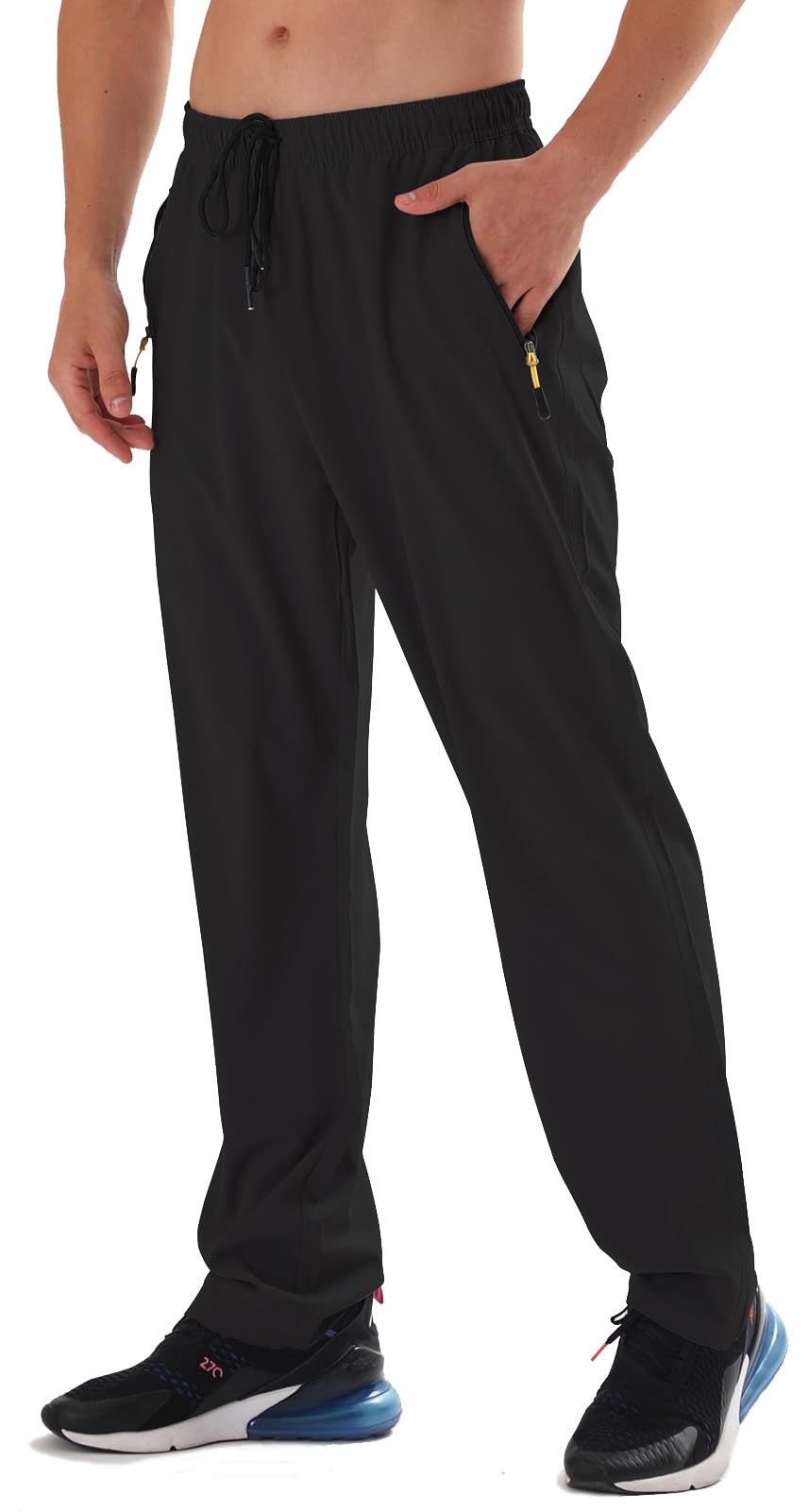
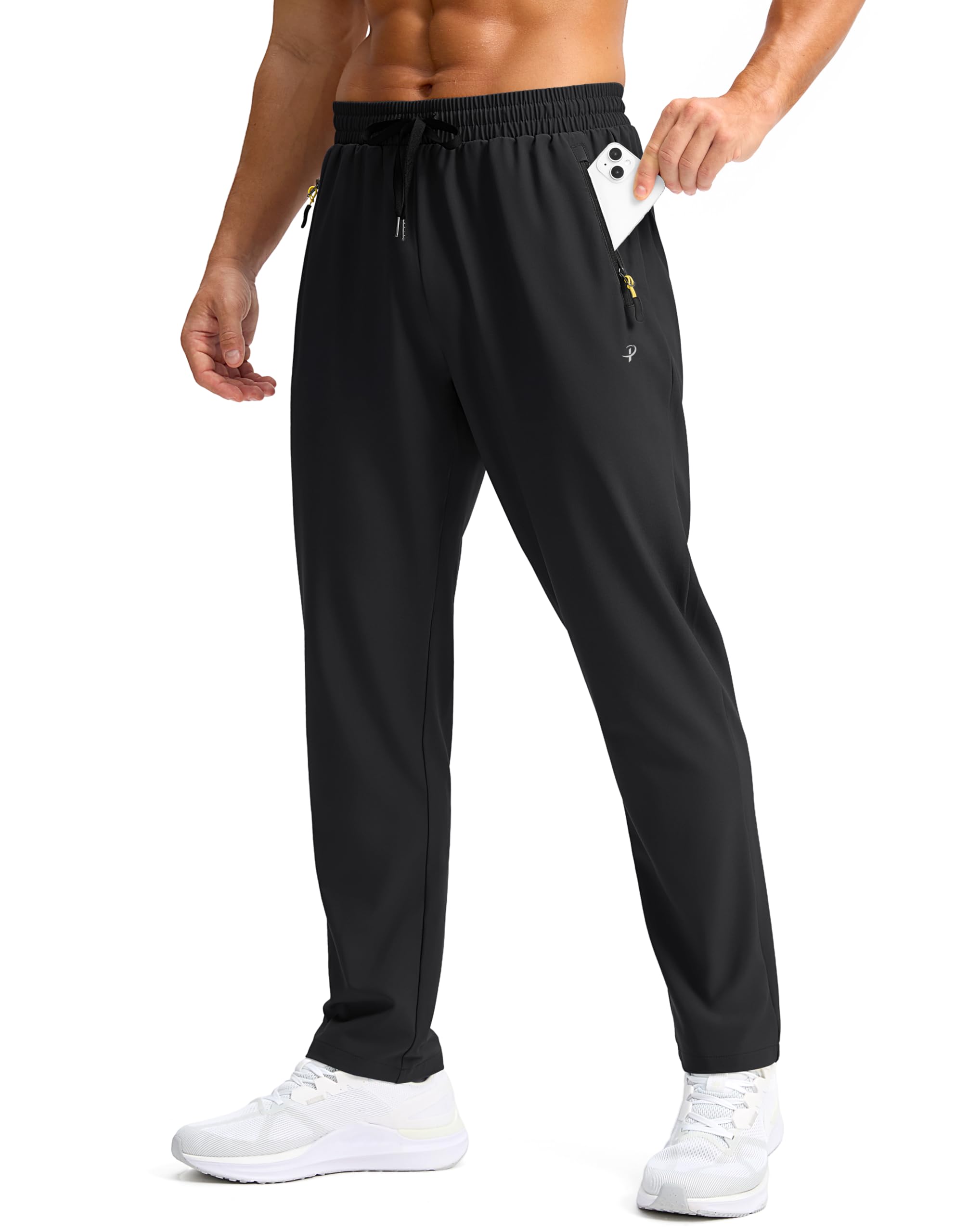
Best Hiking Pants for Men of 2026

The wrong hiking pants announce themselves about a mile in: a waistband that digs when you step uphill, a crotch that binds, a zip that drops mid-scramble. The right pair disappears. I want pants that stretch where I move, dry fast when I sit on wet ground, and look decent enough for the drive home. Over the past six months, my team and I have worn 12 pairs on day hikes, a rainy weekend in the mountains, and a week of car camping, and the differences came down to fit, fabric, and the small hardware.

Sizing and length are the quiet dealbreakers. Measure a pair you already like — waist, inseam, and rise — before trusting any chart, because brands cut these differently. The best pairs we tested stayed put without a belt, held their shape after repeated washing, and had zippers that never caught on pocket liners. You will pay more for fabric that breathes and dries quickly, but a couple of affordable pairs kept pace. The picks below are the ones that survived the trail and the laundry pile.

1

Best Overall

Columbia Silver Ridge Convertible

91 /100
Traveler Score Outstanding

Key details

Belt
Included
Legs
Zip off to shorts
Fabric
Lightweight, quick-dry nylon
Pockets
Zippered side pocket
Check Details on Amazon

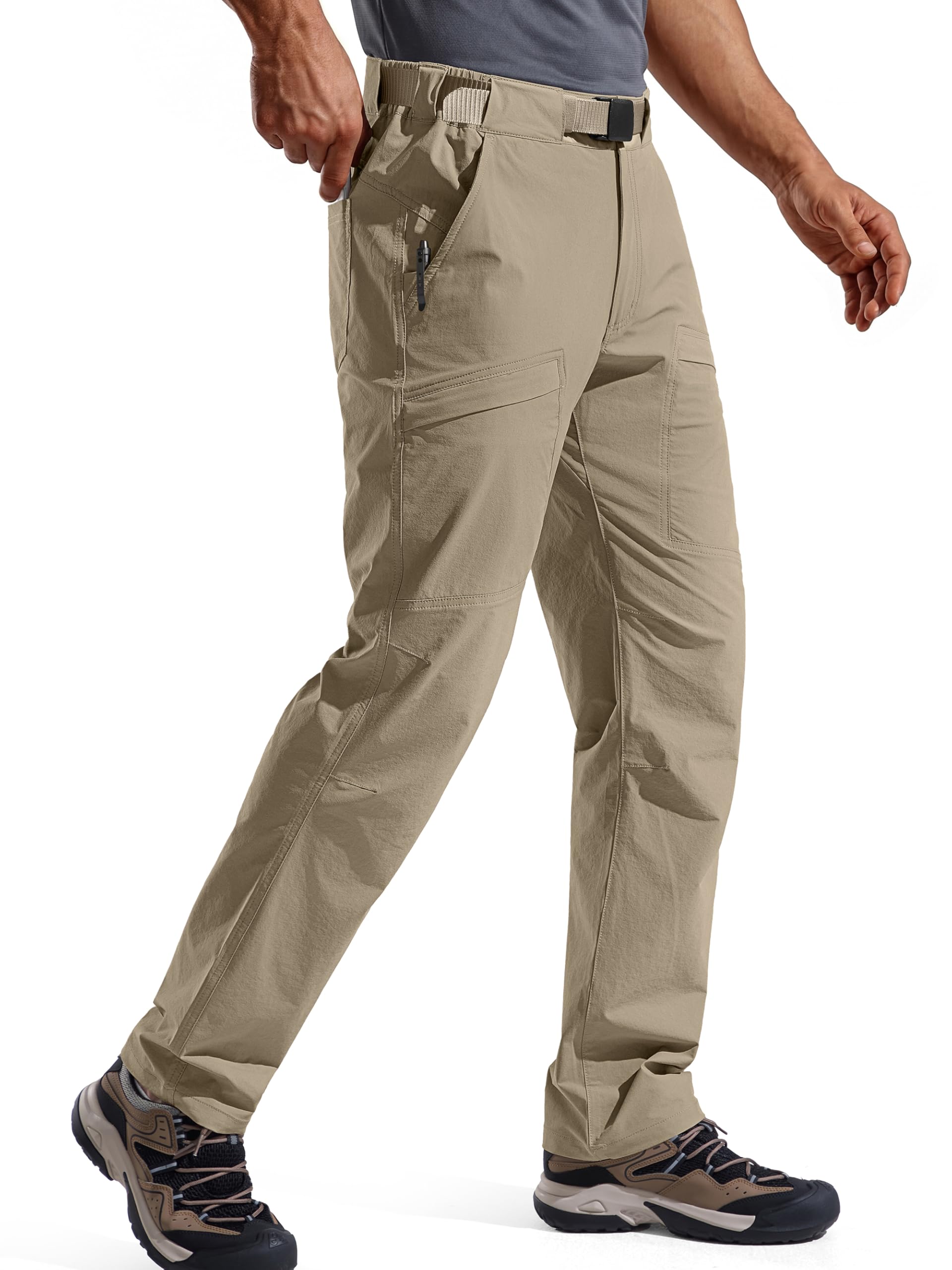
Two zippers run around each leg just above the knee, and that is the reason these earn the top spot: in about fifteen seconds a full-length hiking pant becomes a pair of shorts. On a trip where the morning starts cold and the afternoon bakes, that is one garment doing two jobs, which is exactly what you want when you're packing light.

Everything else holds up too. The nylon is thin and light, it dries fast enough that an overnight sink wash isn't a gamble, and the cut looks like ordinary cargo pants rather than hiking gear. What we'd flag is the fit — the legs run slim and the waist runs small, so if you're between sizes or built with bigger thighs, go up one. The zip-off zippers are also the part most likely to see wear over a few seasons, so don't yank them.

The shorts land just above the knee, which reads as actual shorts rather than cut-offs, and a side pocket zips shut for keys or a wallet. The included belt has a plastic buckle that slides through airport security without a second look — a small thing that saves a real hassle on travel days.

Pros

  • Zip-off legs convert to shorts in seconds
  • Thin nylon dries fast after a wash
  • Light and packable for multi-day trips
  • Reads as a normal cargo pant

Cons

  • Zip-off zippers are the long-term wear point
Our verdict

The one pair we take on a mixed-weather trip: convertible, quick-drying, and light, provided you size up for the slim cut.

Check Latest Price
2

Best Trim Fit

Eddie Bauer Rainier

86 /100
Traveler Score Excellent

Key details

Fit
Active, close to body
Fabric
Lightweight, quick-dry
Pockets
Zippered, plus phone pocket
Check Details on Amazon

Most hiking pants fit like a tarp. The Rainier doesn't: the active fit sits close through the seat and thigh and tapers toward the ankle without ever feeling tight, and that is precisely why it's our choice for a fast hike. The stretch fabric moves with a long stride, and the whole pant is light enough that you stop noticing it on a climb.

What surprised us is how far past the trail they go. They read as a plain tech pant rather than hiking gear, so they work for dinner in town without a change, and the quick-dry fabric comes out of a wash without needing an iron. Zippered hand pockets and a dedicated phone pocket are the practical bits.

The inseam runs long, noticeably so on shorter frames, so plan on a hem or ordering down in length. Beyond that, the only thing to sort out is color: the darker shades show trail dust in a way the green doesn't.

Pros

  • Trim active fit moves with a long stride
  • Comes out of the wash without ironing
  • Zippered pockets, including a phone pocket

Cons

  • Water resistance is light-rain only
Our verdict

Our pick when you want a hiking pant that looks like a pant: trim, stretchy, and quick to dry, with an inseam you may need to shorten.

Check Latest Price
3

Best for Wet Weather

FREE SOLDIER Cargo Hiking Pants

89 /100
Traveler Score Excellent

Key details

Fabric
86% nylon, 14% spandex
Pockets
6, including zip cargo
Stretch
4-way stretch
Sun Protection
UPF 50+
Check Details on Amazon

Eighty-six percent nylon, fourteen percent spandex, a Teflon durable water repellent finish, and UPF 50+. On paper this is the most weather- and sun-equipped pair in the group, and it's the one we reach for when the forecast is unsettled and the trail is exposed.

The four-way stretch is the part that matters most in use. It gives in every direction, which is what you want on a high step onto a rock rather than a flat stride, and the nylon weave shrugs off the abrasion of granite and scrub better than the thin fabrics on the cheaper picks here.

Water beads and runs off the way a fresh finish should. The fit is roomy through the leg with a high rise, which suits bigger thighs and boots, though the wide leg opening can catch on brush. Six pockets, including zippered cargo ones, give you somewhere to put everything.

Two things keep it off the top of the list. The fabric rustles audibly when you walk — fine on a ridge, odd in a quiet restaurant — and the plastic belt buckle is the piece we trust least, so swap the belt before a long trip. If wet, sunny, rocky days are your kind of days, neither matters much.

Pros

  • Four-way stretch for big steps and scrambles
  • Water beads off through light rain
  • UPF 50+ sun protection

Cons

  • Fabric rustles audibly when you walk
  • Plastic belt buckle feels flimsy
Our verdict

The best wet-and-sunny-day option here: four-way stretch, real water repellency, and UPF 50+, as long as a roomy leg and noisy fabric don't bother you.

Check Latest Price
4

Best for Hiking and Biking

TBMPOY Hiking Pants with Belt

89 /100
Traveler Score Excellent

Key details

Belt
Included
Fabric
Lightweight, stretch
Pockets
Multiple zippered
Water Resistance
Water-repellent, not waterproof
Check Details on Amazon

A webbing belt comes in the box. That sounds like a throwaway freebie until you've spent an afternoon yanking up pants that keep sliding under a pack, and it means one less thing to remember on a first trip. The belt itself is unremarkable — most people will swap it for their own after a while.

The pants are the better half of the package. They're light, they breathe in heat, and the fabric has enough stretch that a bike ride doesn't feel like a compromise; we've worn them as often on a bike as on a trail. Zippered pockets keep a phone and keys where you left them.

Fit is the thing to think about: the waist runs slightly tight and the rise sits low, so if you're between sizes, size up. That's the only real adjustment — everything else about them behaves like a much more expensive pant.

Pros

  • Belt included, so nothing to buy first
  • Light and breathable in heat
  • Stretch enough for cycling
  • Zippered pockets hold phone and keys

Cons

  • Water-resistant finish is not waterproof
Our verdict

A light, stretchy pair that comes with its own belt and works as well on a bike as on a trail, as long as you size up for the tight waist.

Check Latest Price
5

Best Tapered Jogger

PULI Cargo Jogger

89 /100
Traveler Score Excellent

Key details

Cut
Tapered jogger
Waist
Elastic with belt loops
Fabric
Thin stretch woven
Pockets
Cargo pockets
Check Details on Amazon

A tapered cargo jogger is an odd thing to call a hiking pant, and we were skeptical until the first scramble. The elastic cuffs sit clear of your heels, the taper leaves less fabric to snag on brush, and the stretch woven moves with you. What it isn't is a straight-leg pant — if you want something that reads as ordinary trousers at a trailhead, this is not it.

The waist is the detail we like most: a stretchy band with belt loops over the top, so you get the comfort of an elastic waist without giving up a real belt. The fabric is thin and soft, and it resists stains better than a fabric this light has any right to.

Sizing is inconsistent enough that you should treat each pair as its own — the same size in two colors can arrive noticeably different in length. Try them on before you cut the tags. They also look good enough for dinner, which is rare in a trail pant.

Pros

  • Tapered cuffs stay clear of heels and brush
  • Elastic waist with belt loops over it
  • Resists stains despite thin fabric

Cons

  • Thin fabric frays at high-wear seams
Our verdict

For a stretchy tapered trail pant that looks sharp off the trail, these are the ones — just try the pair you receive before you commit.

Check Latest Price
6

Best Budget

AIRIKE Elastic Waist Hiking Pants

88 /100
Traveler Score Excellent

Key details

Waist
Elastic
Fabric
Nylon, quick-dry
Pockets
Zippered
Water Resistance
Water-resistant finish
Check Details on Amazon

This is the least expensive pair we recommend, and nothing about wearing it feels like a downgrade. The elastic waist sits flat under a pack hipbelt, the nylon is light enough to forget and dries fast enough that a wet morning doesn't end the day, and the cut is trim without being restrictive — closer to an athletic pant than a cargo pant. That combination is why it's our budget pick.

Zippered pockets are a genuine surprise at this level. The front ones are roomy enough for a phone or glasses, and the zips are the real kind rather than decorative, which matters when you're moving fast with your hands full.

They also come out of the wash without shrinking, which isn't a given with cheap synthetics, and they pack down small enough to disappear into a daypack. For a humid summer trip where you're washing a pair every night, that's the whole job done.

Pros

  • Elastic waist sits flat under a pack belt
  • Quick-dry nylon for sink washing
  • Zippered pockets at a low price
  • Doesn't shrink in the wash

Cons

  • Inseam runs about an inch short
Our verdict

Our budget pick: light, stretchy, and cool enough for real heat, and the least expensive pair here that we're happy to recommend.

Check Latest Price
7

Everyday Summer

ATG Cliffside Utility Pant

89 /100
Traveler Score Excellent

Key details

Waist
Expandable
Fabric
Synthetic stretch twill
Pockets
Utility, with phone pocket
Check Details on Amazon

The seams are the thing to know before you buy. The synthetic twill itself is fine — a nice hand, real stretch, a trim cut — but the stitching is where these let go, in some pairs after a single wash. That's a lot of risk for a pant you're counting on.

What it does well is summer. The fabric is light, stretches through the seat and thigh, and stays comfortable in heat, and the expandable waist genuinely helps if your size floats between two numbers. There's a dedicated phone pocket, which we appreciated on a day out without a pack. One small note: the color called Caviar photographs darker than it arrives.

So it's a good cheap pant for hot-weather travel, yard work, and easy trails, and not the pair to take on a serious trip where a blown seam would ruin the day. The stretch is the part we miss when we go back to cotton cargos.

Pros

  • Light synthetic that handles heat well
  • Real stretch through seat and thigh
  • Expandable waist helps between sizes

Cons

  • Inseam runs several inches too long
Our verdict

Our pick for hot-weather knockabout wear: light, stretchy, comfortable, and priced like a pair you won't baby.

Check Latest Price
8

Travel Days

Pudolla Travel Hiking Pants

88 /100
Traveler Score Excellent

Key details

Style
Travel sweatpant cut
Drying
Quick-dry
Fabric
Soft, wrinkle-resistant
Pockets
Zippered front
Check Details on Amazon

These aren't a technical trail pant, and it's worth being clear about that up front. Two zippered front pockets, a soft straight leg, and a fabric closer to a track pant than a woven cargo — the Pudolla is built for the travel day, not the scramble.

What it does, it does well. The fabric is wrinkle-resistant and quick to dry, light enough that a hot train platform doesn't finish you, and the cut reads dressier than a sweatpant — close enough to a casual trouser that you can wear it to dinner without changing.

Sizing is the weak spot: these run large and long in some colors, so order your usual size and be ready to return rather than sizing up on instinct.

Where that leaves us: this is the pair to pack when the trip is mostly planes, trains, and short walks, and the wrong pair for a rocky, wet itinerary. At the budget end of this list, that's an easy trade to make.

Pros

  • Wrinkle-resistant and quick to dry
  • Soft, light fabric for hot days
  • Looks dressier than a sweatpant
  • Zippered front pockets

Cons

  • Thin fabric won't shrug off abrasion
  • Cuffs have no elastic to hold them down
Our verdict

Best for travel rather than trails: soft, wrinkle-resistant, and smart enough for dinner, with a light fabric to keep off rough rock.

Check Latest Price

How We Tested Men's Hiking Pants

We started by pulling every current men's hiking pant we could find from established outdoor brands and a few value labels, then narrowed the field by fabric weight, available inseam lengths, pocket layout, and price. That left 12 pairs, from thin summer pants to heavier softshells, and we wore each one for at least three full days over six months.

Testing happened on day hikes with steep climbs and talus scrambles, a rainy weekend of ridge walks, and a week of car camping. We squatted, stepped over logs, and climbed in each pair to see whether waistbands gaped, knees pulled, or fabric bunched. Every pair was stuffed into a daypack, worn to a brewery after a hike, and washed at least five times. We loaded pockets with keys, phone, and a map, then worked the zippers one-handed to check for snags.

For sizing, we measured actual waist and inseam against each brand's chart and noted where length ran short or long. To judge water resistance, we sat on damp logs and spritzed the thighs with a hose, watching whether water beaded or soaked in. Durability came down to scuffed seats, frayed cuffs, and seams that held after washing. We weighed price against how the fabric and stitching held up, because a cheap pair that fades in a season is no bargain.

How to Choose Hiking Pants for Men

Start With the Inseam, Not the Size Letter

The size on the label tells you less than the inseam number printed beside it. Hiking pants in this group run anywhere from an inch short to several inches long against their listed figure, and that gap is the difference between a pant you wear and one you return. Measure a pair you already like from crotch to hem, then compare that number to the listing instead of assuming your usual size transfers.

Length also changes what the pant is for. A trim, tapered leg keeps cuffs out of your heels and off brush; a straighter, roomier leg layers over a base layer and suits bigger thighs. Neither is more correct, but the cut you buy should match the walking you do.

Fabric Weight Is a Trade, Not a Ranking

The lightest pants here breathe best in heat and dry fastest after a wash, but thin fabric abrades. If your hikes are humid, flat, and hot, put weight and dry time at the top of your list. If they involve granite, scree, or a lot of sitting on rock, a denser weave with a higher spandex content will outlast the ultralight options.

Quick-dry matters more than most shoppers expect, because it decides whether you can sink-wash a single pair and wear it the next morning. Synthetics dry far faster than cotton, which is the real argument for leaving jeans at home on a trip where laundry happens in a bathroom sink.

Stretch and Zip-Offs Change What the Pant Can Do

Two-way stretch gets you in and out of a car; four-way stretch gets you up a boulder. If your hikes involve scrambling, high steps, or a lot of crouching, look for a high spandex content and a roomy or gusseted seat. For rail trails and flat mileage, a plain woven with a little give is comfortable and lighter.

Zip-off legs are the most divisive feature in the category. They buy you a second garment and real flexibility on a trip where you're carrying one pair; they cost you a seam at mid-thigh and a slightly heavier pant. If you rarely need shorts and pants on the same day, skip them.

Water Resistance Has a Ceiling — Know Where It Is

A durable water repellent finish makes water bead and roll off, which handles dew, wet brush, and a passing shower. It does not make a hiking pant waterproof, and a finish that has been through a dozen washes is weaker than a new one. Plenty of pants are sold with water-resistant claims and still soak through in steady rain.

The practical move is to treat water resistance as a bonus and pack a shell when rain is likely. If you want the most from a finish, choose the denser fabric and plan to refresh the coating once water stops beading.

Waistbands, Pockets, and What You Actually Carry

An elastic waist sits flat under a pack hipbelt and forgives a big lunch; a belt holds a loaded pocket steady but puts a buckle under the strap. If you hike with a pack that has a real hipbelt, flat beats fastened. If you carry little or nothing at the waist, belt loops and a webbing belt give you more control.

Pockets are a security question more than a storage one. Zippered hand pockets cover the phone-and-keys job on nearly every trail; cargo pockets are handy for a map or a snack but add bulk, and in a few of these pants they sit high or open wide enough to lose things on a climb.

Frequently Asked Questions

Final Verdict

The Columbia Silver Ridge Convertible is the pair we point most hikers toward. The zip-off legs give it a job nothing else here has, the nylon dries fast, and it packs smaller than a second pair of shorts would — just size up, because the cut runs slim.

If you never want shorts and prefer one plain, trim pant, the Eddie Bauer Rainier is the better buy: stretchier, sharper-looking, and easy to wear off the trail. Neither is worth much in sustained rain, so pack a shell.