13 Best Backpacking Stove of 2026: Balance Weight, Speed, and Wind Resistance

Find the backpacking stove that matches your cooking style and terrain – from ultralight to wind-resistant integrated systems.

A backpacking stove seems simple: screw on a canister and light it. But after a few trips, the limitations surface. Cheap stoves sputter in a breeze, ultralight options wobble with a 1L pot, and piezo igniters fail when you need them most.

This guide cuts through those trade-offs. Whether you need fast boil times for dehydrated meals, stable simmer for real cooking, or a stove that handles exposed ridgelines, the picks here match specific use cases.

Integrated systems like Jetboil boil water in two minutes but lock you into proprietary pots. Standalone stoves are lighter and more versatile but require a separate pot and windscreen. The good news: there are solid options at every price point if you prioritize the right specs.

1

Best Overall

MSR PocketRocket 2

96 /100
Traveler Score Outstanding

Key details

Weight
2.6 oz
Boil Time
3.5 min/L
System Type
Standalone
Ignition Type
Piezo
Check Details on Amazon

Best overall value and consistent performance – the MSR PocketRocket 2 hits the sweet spot for backpackers who want a no-compromise standalone stove. At 2.6 oz, it slips inside a mug or small pot, making it easy to pack without sacrificing efficiency. The burner delivers a boil time of 3.5 minutes per liter, which keeps meal prep quick on trail.

Flame control extends beyond just high heat: the simmer valve allows for more than boiling water, giving you the ability to cook actual meals without scorching. Wide pot supports offer stability for standard cookware, though the stove performs best with pots up to 1.5 liters. In windy conditions, a separate windscreen helps maintain flame focus.

This stove is designed for solo or duo trips where weight and simplicity matter most. It pairs naturally with a titanium pot and a small canister, forming a minimalist cooking kit. If you prefer an all-in-one integrated system or regularly cook for more than two people, the PocketRocket 2 isn't the right fit – the flame area is small, and you'll need to bring your own pot and windscreen for best results.

With over four thousand reviews averaging 4.8 stars, the PocketRocket 2 has earned its reputation as a dependable tool for backcountry cooking. It lacks the cold-weather pressure regulation of the premium Deluxe model, but for three-season use and standard canister fuel, it performs consistently without extra complexity. The price sits mid-range, offering excellent cost-per-use value for long-distance hikers.

Pros

  • Exceptionally lightweight and compact
  • Reliable performance across conditions
  • Fast and efficient boiling
  • Easy to use and pack

Cons

No notable drawbacks to flag.

Our verdict

Unbeatable weight and consistent performance at a fair price – the PocketRocket 2 is the stove every backpacker should consider for three-season solo or duo trips.
Check Latest Price
2

Best Wind Performance

SOTO WindMaster

95 /100
Traveler Score Outstanding

Key details

Weight
2.3 oz
Boil Time
2.5 min/2 cups
System Type
Standalone
Ignition Type
Piezo
Check Details on Amazon

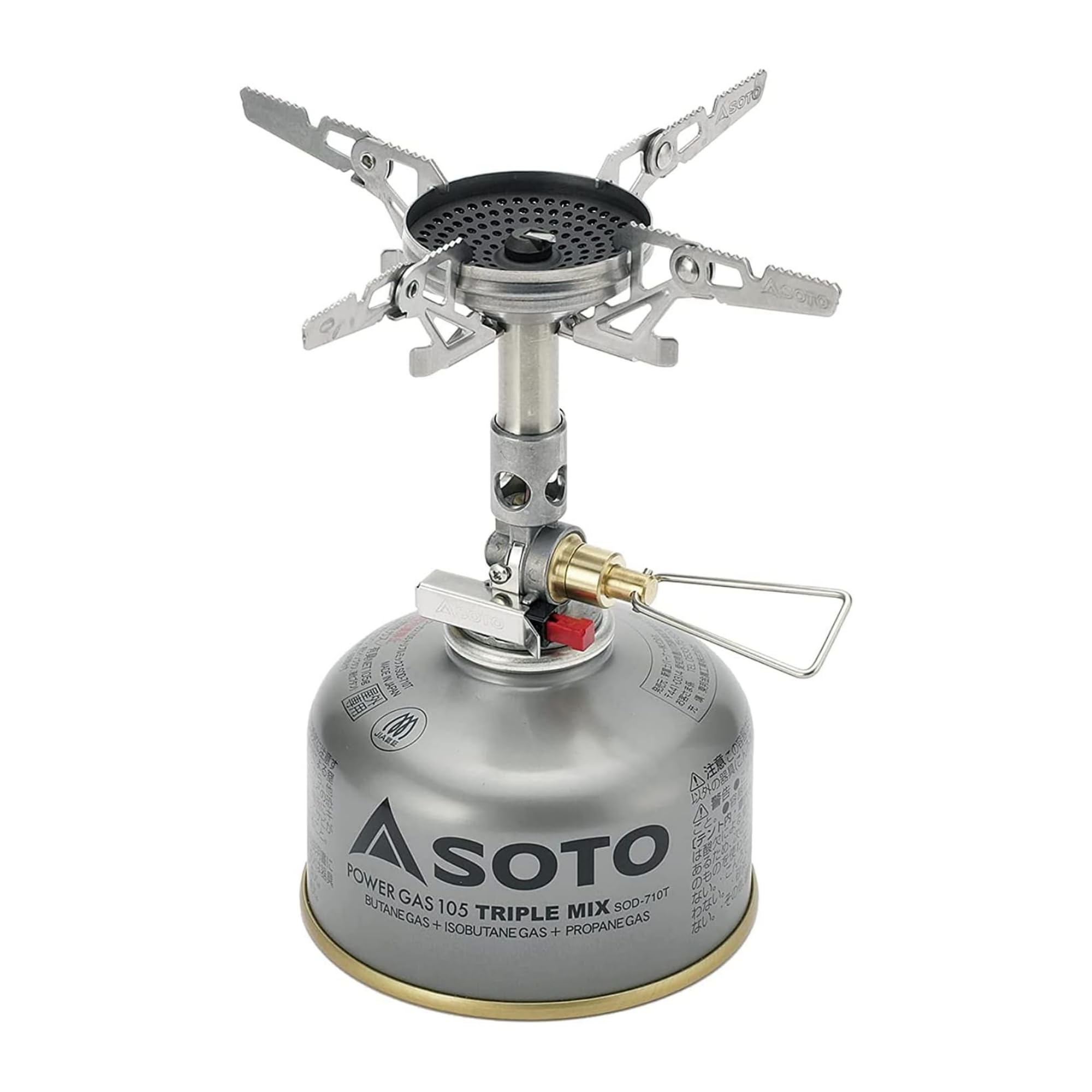
Wind resistance is the SOTO WindMaster's core advantage — its concave burner and 4Flex support keep the flame steady in gusty conditions that cause other standalone stoves to sputter. At 2.3 oz, it's light enough for ultralight packs and nests inside a small pot, though the PocketRocket 2 is lighter and more affordable.

This stove suits backpackers who prioritize wind performance above all — especially those hiking exposed ridges, coastlines, or alpine passes. The tradeoff is a higher price than the PocketRocket 2, and the 4Flex arms can feel slightly less stable with pots larger than 1 liter. Solo and duo trips are the sweet spot, where the reliable piezo ignition and simmer control add real convenience.

Boil speed is competitive at about 2.5 minutes for 2 cups, and the concave burner also aids simmer control — useful for cooking rather than just boiling water. The piezo igniter lights consistently on the first click, adding to the stove's ease of use on cold, windy mornings.

💡 For best stability with the 4Flex support, use pots under 1.5 liters.

Pros

  • Maintains a steady flame in gusty conditions
  • Lights first time consistently with built-in piezo ignition
  • Light enough to carry and nests inside a pot
  • Heats water quickly for its size

Cons

  • Costs more than the top-rated alternative without offering a weight advantage
  • With very large pots (1.5L+), the 4Flex arms may feel less stable than a wider support
Our verdict

If wind resistance is your primary concern and you're willing to pay a premium, the WindMaster is the best standalone stove for exposed conditions. For all-around dependability at a lower price, the PocketRocket 2 remains the standard.

Check Latest Price
3

Fastest Integrated System

Jetboil Flash

93 /100
Traveler Score Outstanding

Key details

Weight
13.12 oz
Boil Time
2 min/16 oz
System Type
Integrated
Ignition Type
Auto ignition
Check Details on Amazon

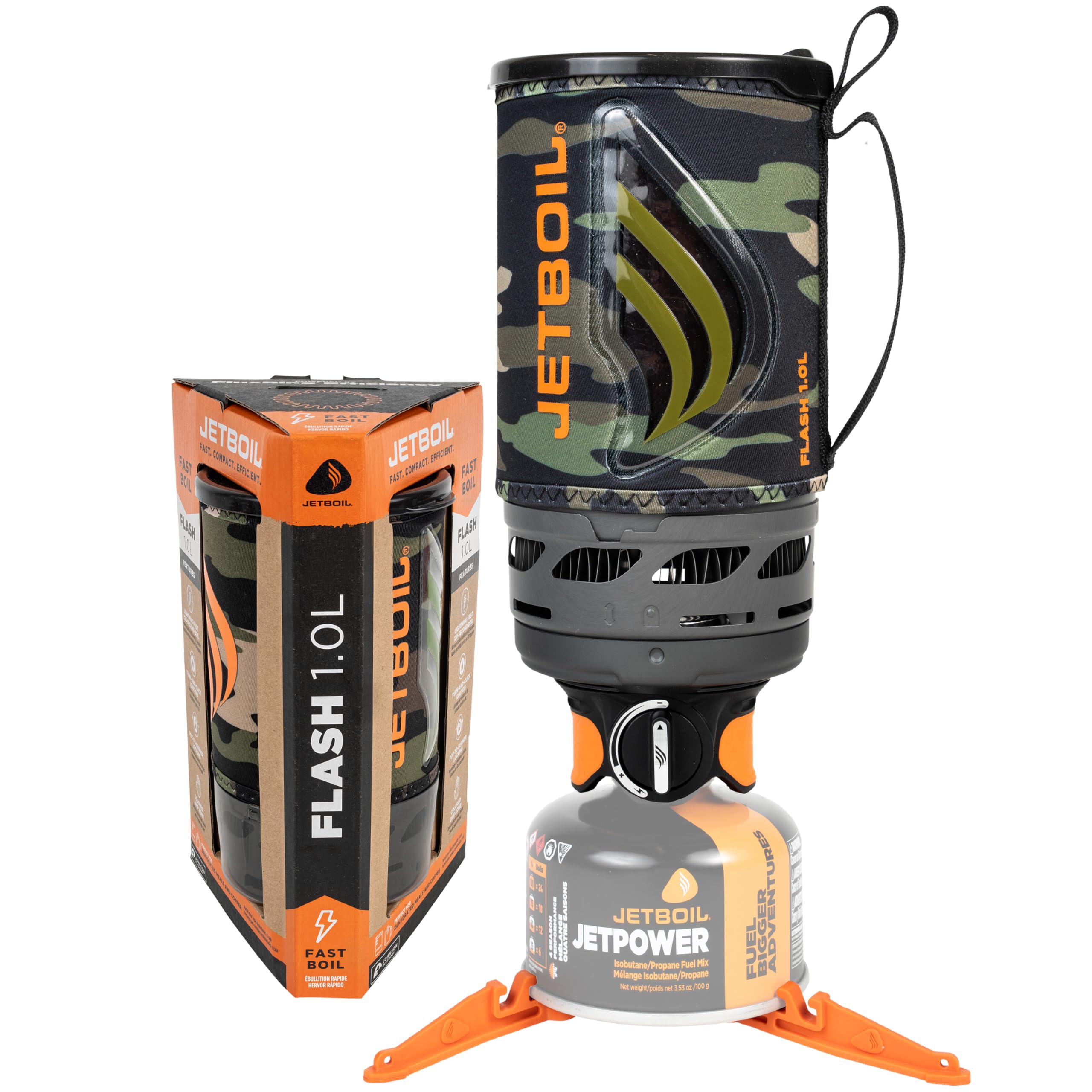
The Flash boils 16 oz of water in two minutes flat, a claim that holds up in practice thanks to its flux ring and efficient burner design. The one-step auto ignition and cool-touch zones simplify operation even with cold hands or gloves. This is the quickest path from pack to hot meal among integrated systems.

This system suits solo to duo trips where speed matters more than every ounce. The 13 oz weight and premium price are real tradeoffs compared to standalone stoves like the top pick, and it only works with Jetboil-compatible pots and accessories. If you already carry a separate pot and prefer a lighter setup, this isn't the right choice.

The build quality feels solid, and the locking mechanism holds the pot securely during packing. The auto ignition can be finicky in some conditions — not a showstopper, but worth being aware of for backcountry trips where a backup lighter is simple insurance.

💡 Keep a backup lighter stashed in the pouch — the auto ignition can be temperamental in cold or damp conditions.

Pros

  • Boils 16 oz of water in two minutes
  • Auto ignition and cool-touch zones make operation straightforward, even with gloves.
  • Packs into a compact, self-contained unit that fits neatly in a backpack.

Cons

  • Auto ignition may require a lighter as backup in certain conditions.
  • Premium price compared to non-integrated stoves offering similar boil speed.
  • Weighs 13 oz, which is heavier than many standalone alternatives for weight-conscious backpackers.
Our verdict

For campers who want the fastest hot water and are willing to carry a bit more weight and pay a premium, the Flash is the quickest integrated system — just pack a backup lighter.

Check Latest Price
4

Best Cold-Weather & Simmer

MSR PR Deluxe

94 /100
Traveler Score Outstanding

Key details

Weight
2.9 oz
Boil Time
3.5 min/L
System Type
Standalone
Ignition Type
Piezo
Check Details on Amazon

The PocketRocket Deluxe stands out from the standard PocketRocket 2 with a pressure regulator that maintains steady flame output in cold temperatures and at altitude, and a wide burner that allows genuine low-heat simmering. These features make it a more capable stove for conditions where unregulated stoves sputter or for anyone who wants to cook more than just boil water.

This stove is for backpackers who regularly camp in cold weather or cook real meals on trail — the regulator and wide burner perform noticeably better than the standard PR2 in those scenarios. The tradeoff: it weighs 2.9 oz (0.3 oz more than the PR2) and carries a higher price. It is also worth knowing that the piezo igniter can stop working after some use, so a backup lighter is sensible for multi-day trips.

💡 Keep a backup lighter handy — the piezo igniter may stop working after many uses.

Pros

  • Pressure regulator keeps output consistent in cold and high altitudes
  • Wide burner enables low simmer for sauces and real cooking
  • Compact and lightweight enough for most backpacking kits
  • Solid build quality inspires confidence in the backcountry

Cons

  • Piezo igniter may become unreliable after repeated use
Our verdict

If winter camping or simmering meals are part of your regular trips, the Deluxe justifies the extra weight and cost over the standard PocketRocket 2.

Check Latest Price
5

Best Budget Ultralight

Fire-Maple Greenpeak 1

90 /100
Traveler Score Outstanding

Key details

Weight
3 oz
Boil Time
~5 min/16 oz
System Type
Standalone
Ignition Type
Piezo
Check Details on Amazon

At 3 ounces with a consistent piezo ignition, the Greenpeak 1 delivers what most budget stoves miss: lighting on the first click and a stable pot platform. Integrated systems boil water in about half the time (2 minutes for 16 oz) but weigh more and cost several times as much. The Greenpeak's ~5-minute boil is a tradeoff that suits hikers prioritizing weight over speed.

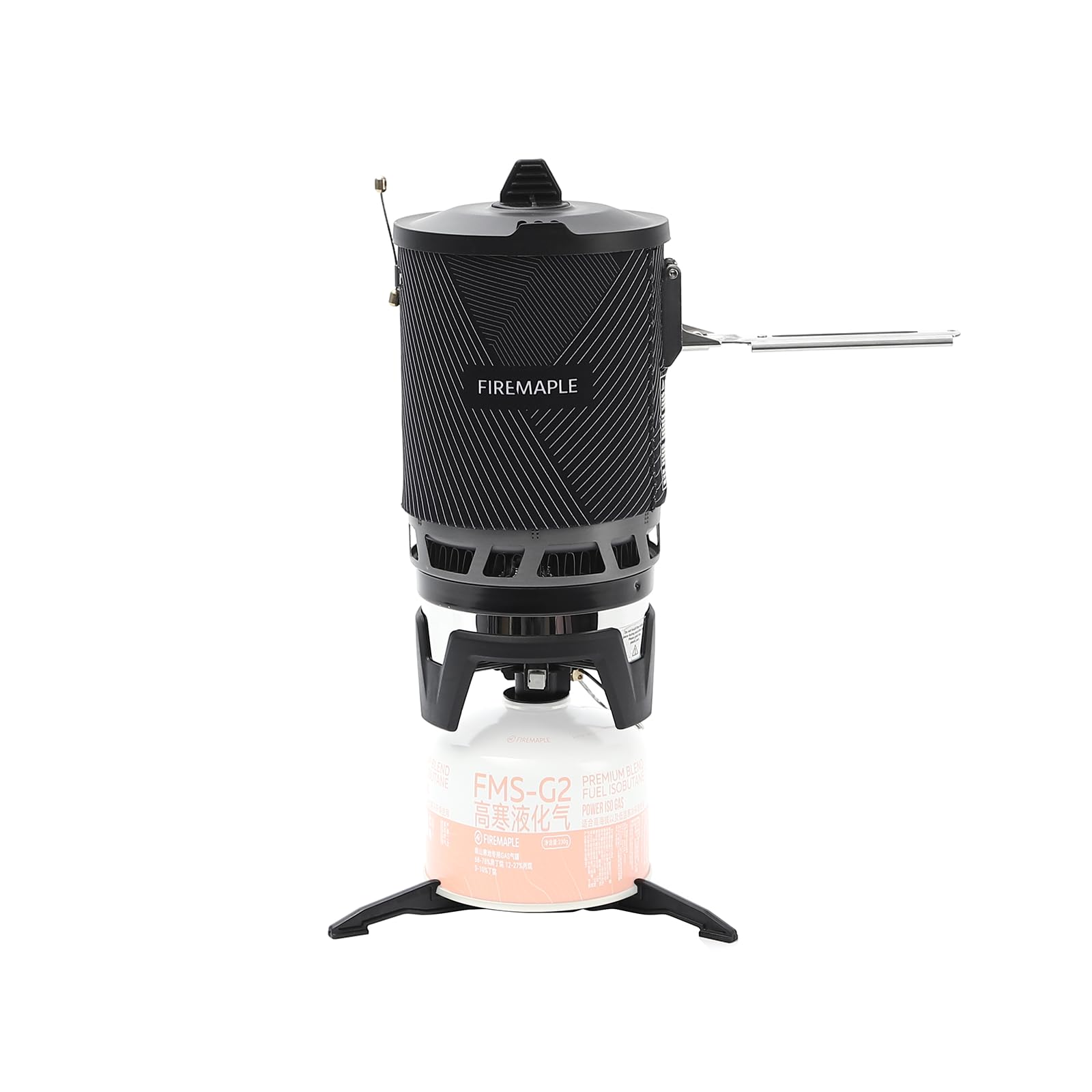
The Greenpeak 1 fits entry-level backpackers on a budget, solo ultralight trips, or an emergency stove for a survival kit. It lacks a pressure regulator, so cold-weather performance is limited – winter campers should consider regulated stoves like the PocketRocket Deluxe or SOTO WindMaster.

The stove packs down to 2.1x2.8 inches, small enough to slip into a mug. Its four legs provide sufficient balance for 1L pots, and the burner distributes heat evenly. The piezo igniter sparks reliably in calm conditions, though a backup lighter adds peace of mind for remote or damp environments. The stainless steel burner and aluminum alloy build feel durable enough for regular backpacking use without adding excess weight.

💡 Use a canister with higher isobutane blend (e.g., MSR IsoPro) to improve cold-weather performance.

Pros

  • Delivers solid performance at a budget-friendly price
  • Weighs only 3 oz and packs down small, making it easy to stash in a mug or pocket.
  • Piezo ignition lights consistently on the first click, reducing reliance on lighters.
  • Legs provide a stable base for small pots, minimizing tip-overs during cooking.

Cons

  • Boil time is slower (about 5 minutes for 16 oz) than integrated systems
  • Piezo igniter may fail on some units, making a backup lighter advisable.
Our verdict

For backpackers who prioritize light weight and reliable ignition over boil speed, the Greenpeak 1 offers the best value among ultralight standalone stoves.

Check Latest Price
6

Best Value Regulated Stove

CAMPINGMOON XD-2F

91 /100
Traveler Score Outstanding

Key details

Weight
3.2 oz
Boil Time
Fast (data)
System Type
Standalone
Ignition Type
Piezo
Check Details on Amazon

This stove packs a built-in micro regulator and a sturdy four-point pot support into a 3.2 ounce package — features normally reserved for $60 plus stoves. Where the SOTO WindMaster excels in wind resistance, the XD-2F focuses on consistent fuel regulation and stable cooking at a lower cost.

Boil times are quick — 16 ounces of water in under three minutes in calm conditions. The piezo igniter lights reliably on the first or second click. The four flexible pot supports hold a 1.3 liter pot securely, and the whole unit collapses to fit inside a standard 750 ml cook pot.

This stove suits backpackers who want a regulated flame for simmering or consistent output in moderate temperatures without paying MSR or SOTO prices. If you regularly cook in sub-freezing conditions, the regulator output may drop — the PocketRocket Deluxe handles cold better. The XD-2F is slightly heavier than ultralight options like BRS, but the added stability and regulation make the trade-off worthwhile for most solo and duo trips.

Pros

  • Sturdy and stable construction with four-point support holds pots securely, even with heavier cookware.
  • Compact and packs well
  • Good value for money
  • Fast boiling speed matches stoves that cost twice as much.

Cons

  • Regulator output can decrease in extreme cold, making it less suitable for winter camping than premium regulated stoves.
Our verdict

For backpackers who want a regulated stove without the premium price tag, the Camping Moon XD-2F delivers stable flames, quick boils, and a compact footprint that stows away neatly.

Check Latest Price
7

Integrated System Budget

Fire-Maple Star 2 Pro

91 /100
Traveler Score Outstanding

Key details

Weight
19.8 oz
Boil Time
Fast (data)
System Type
Integrated
Ignition Type
Piezo
Check Details on Amazon

This integrated system offers a stable cooking platform with a folding handle and an additional pot support for pans, delivering fast boil times that rival dedicated systems. The 19.8 oz weight places it alongside the Jetboil Flash rather than ultralight options, and the piezo igniter may become unreliable after extended use — carrying a backup lighter is a sensible precaution. While heavier than some competitors and the brand's own lighter Greenpeak 1, the Fixed Star 2 Pro improves on the entry-level Fixed Star 1 with sturdier build and added versatility for those who want to cook beyond boiling water.

💡 Keep a backup lighter handy — the piezo igniter is convenient at first but can degrade over extended use.

Pros

  • Sturdy base and folding handle keep the pot stable on uneven ground.
  • Includes a separate pot platform for using standard pans, not just the included 1.2L pot.
  • Fast boil time

Cons

  • Piezo igniter may stop working after a year or more of regular use; a backup lighter is advisable.
  • At 19.8 oz it's heavier than ultralight integrated systems, making it less ideal for gram-conscious backpackers.
Our verdict

A solid integrated system for backpackers who want a stable, pan-friendly cooking setup and don't need the lightest option — worth considering over Jetboil for the lower price and added platform.

Check Latest Price
8

Gram-Counting Thru-Hikers

BRS-3000T

92 /100
Traveler Score Outstanding

Key details

Weight
1.44 oz
Boil Time
~3 min/L
System Type
Standalone
Ignition Type
Manual
Check Details on Amazon

At 1.44 ounces, the BRS-3000T shaves grams where it matters most, making it a favorite among gram-counting thru-hikers. The tradeoff comes in stability – pot supports are narrow, limiting cookware to about 1 liter, and the legs can bend with routine use. Additionally, a small amount of gas may escape when attaching the canister, leaving a fuel scent. This stove is best suited for experienced ultralight hikers who understand its limits and plan accordingly – it’s not a general-purpose backpacking stove.

Pros

  • Incredibly lightweight and compact
  • Exceptional value for the price

Cons

  • Pot supports are narrow
  • Legs may bend after moderate use, affecting stability
Our verdict

Best for the gram-obsessed thru-hiker who packs a small titanium pot and knows to handle the stove with care.

Check Latest Price
9

Car Camping Backup

AOTU Stove

93 /100
Traveler Score Outstanding

Key details

Weight
3.84 oz
Boil Time
~3 min/L
System Type
Standalone
Ignition Type
Piezo
Check Details on Amazon

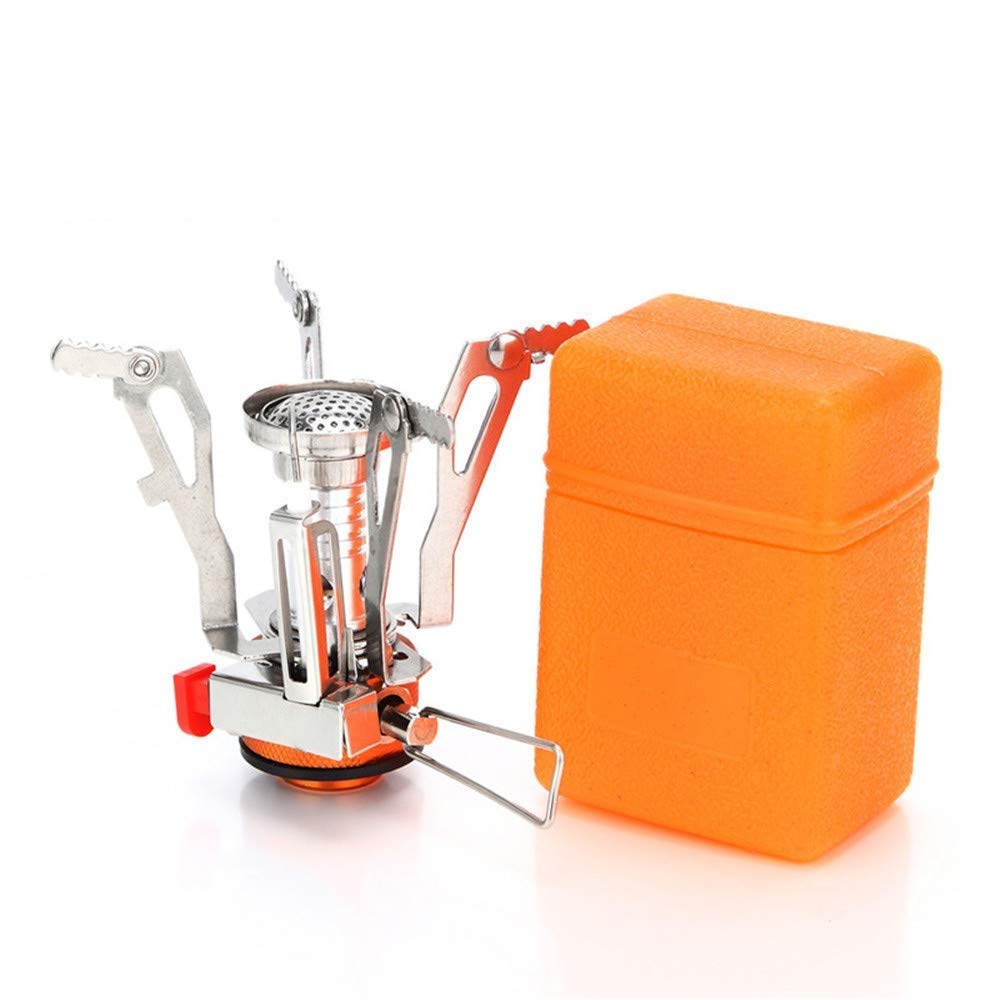
At a price that undercuts almost every other standalone stove, the AOTU delivers a compact, lightweight design that fits inside a mess kit. The tradeoff is notable hardware sample variation: some units may experience inconsistent piezo ignition or reduced longevity after a few trips, and the short pot prongs can make a 1L pot feel wobbly. This makes it a cautious choice for multi-day backpacking where a sure-fire stove matters, but it works well for car camping, picnics, or as an emergency backup when you have a lighter on hand.

Pros

  • Very affordable price point
  • Portable and compact form factor
  • Lightweight at 3.84 oz

Cons

  • Piezo ignition can be inconsistent across units
  • Wobbly stability with pots larger than 1L
Our verdict

Keep this for the campsite or the trunk as a low-cost backup, not as your primary stove for a week-long trek.

Check Latest Price
10

Car Campers with Propane

Caudblor Stove

89 /100
Traveler Score Excellent

Key details

Weight
9.5 oz
Boil Time
Standard
System Type
Standalone
Ignition Type
Piezo
Check Details on Amazon

The Caudblor stove includes a propane adapter, allowing it to run on both isobutane canisters and standard 1-lb propane tanks. This makes it a practical choice for car campers who have leftover propane from previous trips. The wider base offers decent stability with larger pots, and the compact design fits into a backpack easily.

At 9.5 oz it is heavier than typical backpacking stoves, and gas leaks from the connector have been noted in some units – a safety concern that makes it less suitable for backcountry use where reliability is critical. Flame control can also be touchy for low simmer. It is a reasonable budget backup stove for car camping, but not a top-tier backpacking option.

Pros

  • Works with both isobutane and 1-lb propane tanks (adapter included)
  • Compact design fits easily in a backpack
  • Wider base provides decent stability with larger pots

Cons

  • Flame adjustment can be touchy
  • Gas leaks from the connector have been reported in some units
Our verdict

Best for car campers who already have a stash of 1-lb propane tanks and need a cheap backup stove. Not recommended for multi-day backpacking trips.

Check Latest Price
11

Ultralight Soloists

Jetboil Stash

91 /100
Traveler Score Outstanding

Key details

Weight
7.1 oz
Boil Time
2.5 min/0.8L
System Type
Integrated
Ignition Type
Auto ignition
Check Details on Amazon

The Jetboil Stash achieves the lightest complete integrated system weight at 7.1 oz, thanks to a titanium burner and FluxRing pot. It nests compactly, making it a natural fit for gram-counting soloists. However, the 0.8L pot restricts use to one person, and while boil times are quick, some units have shown burner function inconsistency after a handful of trips. Compared to Jetboil's Flash, the Stash sacrifices boil speed and pot capacity to save ounces, making it a specialist tool rather than a versatile option.

Pros

  • Ultralight complete system at 7.1 oz
  • Compact nesting design minimizes pack volume
  • Quick 2.5-minute boil for 0.8L

Cons

  • Small 0.8L pot capacity limits to solo meals only
  • Burner function can stop working after a few trips in some units
Our verdict

For ultralight soloists who count every gram and accept a small pot plus potential burner quirks, the Stash offers the lightest integrated system available.

Check Latest Price
12

Jetboil Ecosystem Fans

Jetboil MightyMo

94 /100
Traveler Score Outstanding

Key details

Weight
3.36 oz
Boil Time
~3 min/L
System Type
Standalone
Ignition Type
Push-button
Check Details on Amazon

The Jetboil MightyMo offers a compact, regulated burner that works with Jetboil cookware, boiling water quickly and packing light. However, it faces strong competition from MSR and SOTO stoves at this price point. The simmer control is a limitation — the flame climbs even at the lowest setting, which restricts it to boiling-focused tasks. For Jetboil ecosystem users who already own pots and want a standalone burner for flexibility, this stove fits well; others may find better value in the MSR PocketRocket 2 or SOTO WindMaster.

Pros

  • Boils water in about 3 minutes per liter.
  • Weighs 3.36 oz and packs compactly.

Cons

  • Push-button ignition may fail to spark in some cases.
  • Flame tends to run high at the lowest setting, limiting fine temperature control.
Our verdict

A fitting choice for Jetboil loyalists who prioritize brand consistency and fast boils over simmer control or price.

Check Latest Price
13

Budget Integrated System

Fire-Maple Fixed Star 1

90 /100
Traveler Score Outstanding

Key details

Weight
18 oz
Boil Time
~2 min/L
System Type
Integrated
Ignition Type
Piezo
Check Details on Amazon

The Fixed Star 1 mirrors the boil speed and compact form of premium integrated stoves at roughly half the price. Water reaches a rolling boil in about two minutes, and the entire system nests into the pot for easy packing. That value comes with compromises: the piezo igniter may spark without lighting, so a backup lighter is advisable, and some plastic components can warp under prolonged high heat or the neoprene cover may degrade over time. This stove fits best when the budget is tight and the trip is short — not for thru-hikers or anyone expecting years of heavy use.

Pros

  • Boils water in about two minutes per liter
  • Entire system packs into its own pot for compact storage

Cons

  • Piezo igniter may spark without lighting the fuel; keeping a backup lighter is wise
  • Plastic components can warp or melt under intense heat, and the neoprene cover may show wear over time
Our verdict

This stove suits budget-conscious pairs who need quick water boiling and are willing to carry a backup lighter and accept that plastic parts may not hold up to frequent, rugged use.

Check Latest Price

How to Choose

Weight and Packed Size

Weight determines how much your pack carries, but lighter stoves often have smaller pot supports that make them unstable with pots over 1L. A 2-oz stove saves grams but may require careful pot balancing.

Packed size matters when you carry a dedicated pot. Standalone stoves nest inside a mug or pot, while integrated systems come as a single unit that packs around the canister. For thru-hikers, every gram counts; for weekend trips, a few extra ounces buys stability.

Boil Time

Boil time depends on burner power, pot design, and wind. Integrated systems with metal heat exchangers (like FluxRing) boil 16 oz in 2 minutes, while standard standalone stoves take 3-5 minutes. The trade-off: faster systems are heavier and more expensive.

For dehydrated meals, every minute saved is convenience. For simmering grains or sauces, a slower, controlled boil is better. If you mostly boil water, speed is king; if you cook real food, prioritize simmer control over raw speed.

Wind Resistance and Regulator

Wind is the hidden enemy of backpacking stoves. A breeze can slash heat output by 30% or more. Stoves with concave burners (like SOTO WindMaster) or built-in regulators (MSR PR Deluxe) maintain flame stability in exposed conditions.

Pressure regulators are essential for cold weather: they compensate for low canister pressure below freezing. Without one, the flame weakens as the canister cools. For winter or high-altitude trips, a regulated stove is worth the premium.

Integrated vs. Standalone

Integrated systems combine pot and burner into one sealed unit. They are faster, more fuel-efficient, and easier to use in wind, but lock you into proprietary pots and cost more. Standalone stoves are lighter, cheaper, and let you use any pot, but require a windscreen and separate pot.

Solo backpackers who only boil water often prefer integrated. Duo trips or anyone who wants to cook varied meals should choose standalone for versatility. There is no universal 'better' – the choice is use-case dependent.

Ignition Reliability

Piezo igniters are convenient but can fail after repeated use, especially in damp or sandy conditions. A backup lighter or ferro rod weighs a few grams - pack one anyway. Push-button and auto ignitions are more reliable but also prone to wear.

If you depend on the built-in igniter, test it before every trip. Many experienced backpackers carry a mini Bic lighter regardless of the stove's ignition type. Ignition reliability is a convenience, not a safety issue if you have a backup.

Frequently Asked Questions