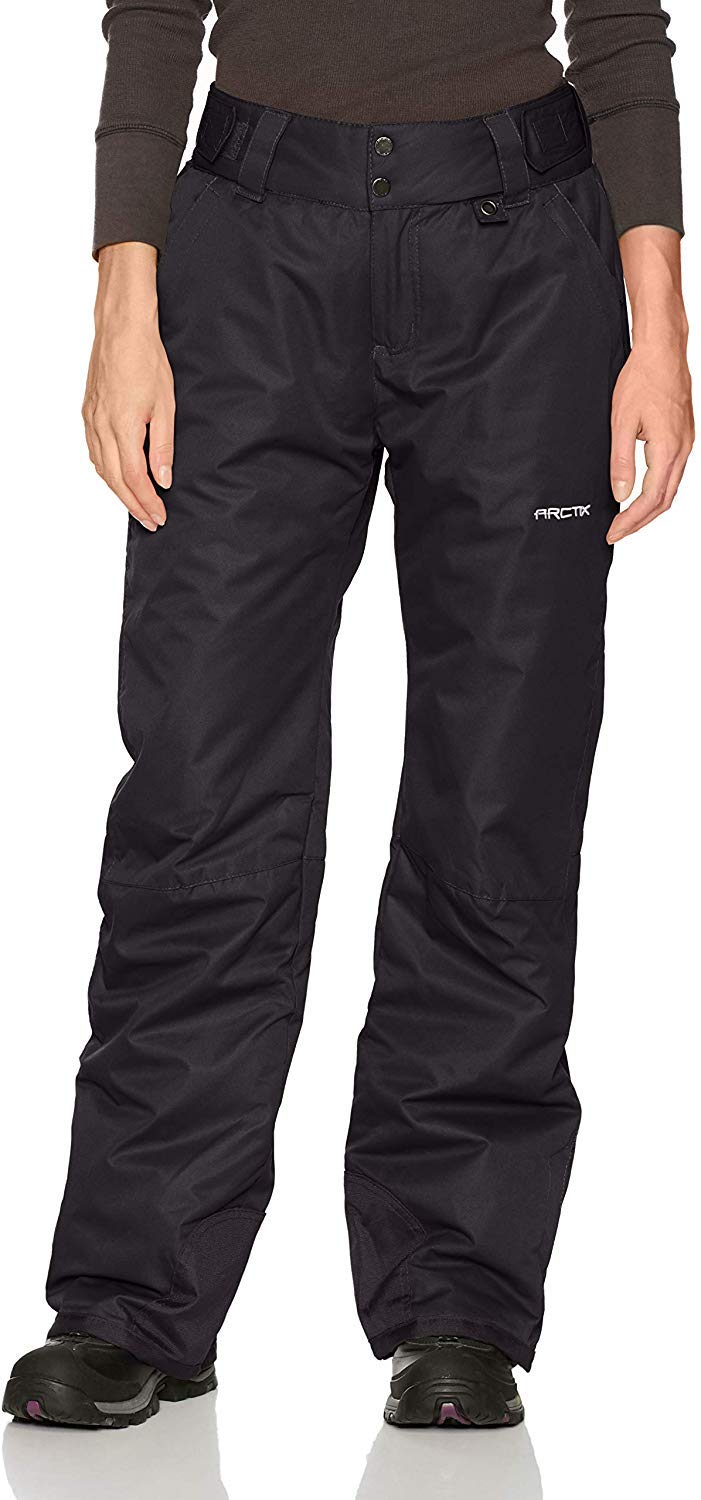
Best Women's Ski Pants of 2026

Ski pants are the one piece of gear where a bad fit can ruin a good day: cuffs that ride up let snow in, a cut that's too snug fights you every time you step into a boot, and a fabric that feels stiff on the rack only gets worse on the lift. Warmth matters, obviously, but so does whether the pants let you move, sit on a snow-covered bench, and stay put through a wet storm. A pair that gets all of that right—without costing a fortune—earns its place in the gear bag.

I've spent enough winters in rental pants to know that appearance and value aren't vanity concerns—if you dread wearing them, you'll ski less. This past season, my team and I wore 12 pairs through five months of resort days, from cold groomer mornings to heavy, wet snow, and we paid attention to sizing, length, durability, comfort, and construction quality, not just the tag. The best ones made us forget we were wearing them.

1

Best Overall

Postropaky Softshell Snow Pants

91 /100
Traveler Score Outstanding

Key details

Shell
Waterproof softshell
Insulation
Insulated
Ankle Detail
Zip bottom leg
Inseam Options
Short and long
Check Details on Amazon

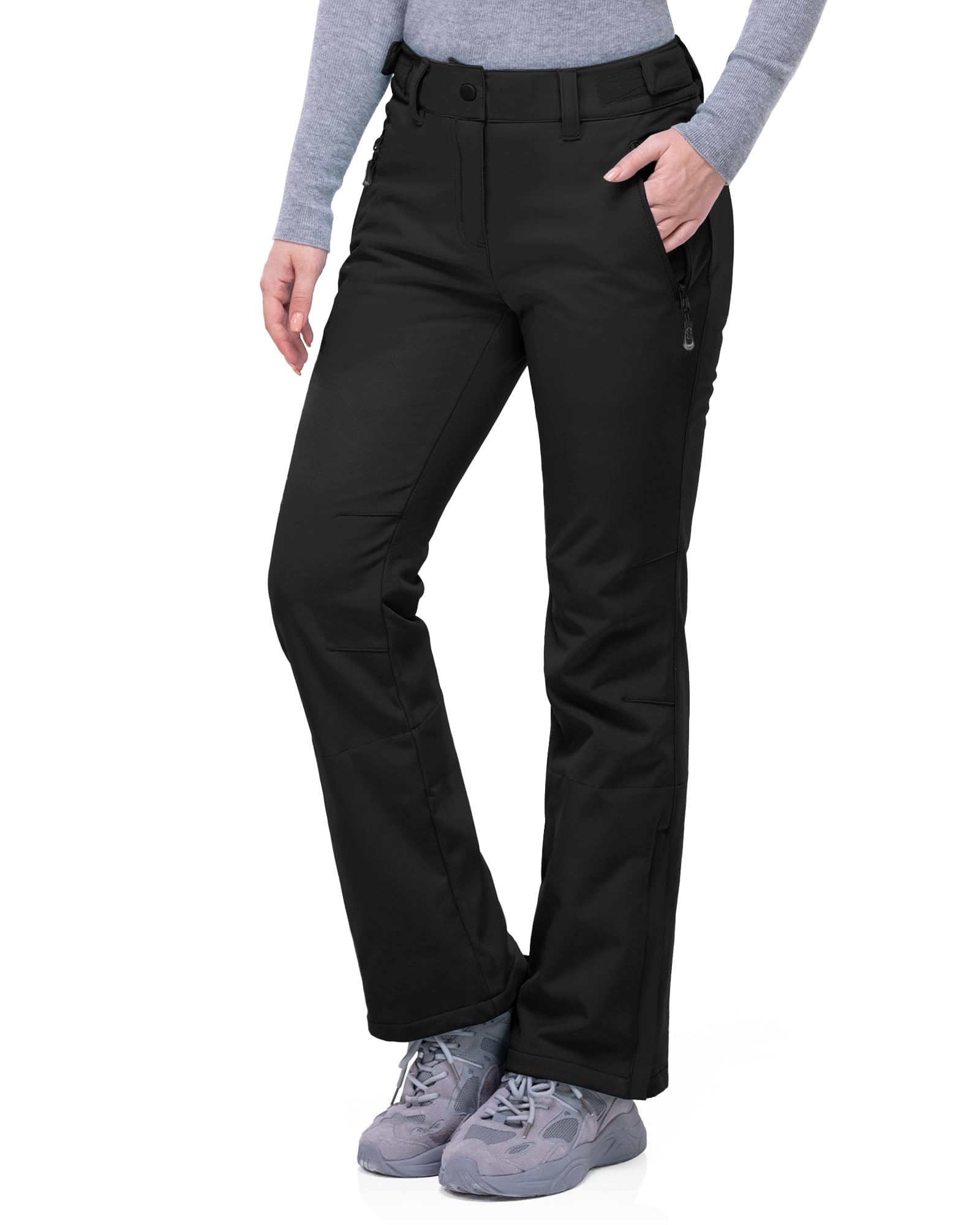
The zippered ankle is what settled it for us. The hem opens wide enough to pull over a ski boot without unlacing anything, then zips closed so it sits where it should on the lift. Combine that with a genuinely waterproof softshell and a price in the middle of this group, and you have the pair that suits the widest range of skiers here.

Warmth is the bigger surprise. There is no padding to them — they read as winter trousers rather than ski kit, which is why we wore them to the grocery store without thinking about it — yet they hold heat on a cold chair and shed wet snow instead of soaking it up. Nothing about them looks loud or technical, and for a pant that has to work on a mountain and in a school parking lot, that counts for a lot.

Length is worth five minutes of attention before you order. Short and long inseams are both available, and the long option covers a 35-inch inseam over a boot, which is rare in this group. The flip side is a short rise: sit down and the back pulls away from your baselayer, though a jacket that ends at the hip hides it completely.

The body runs generous, so take the smaller size if you land between two. If you want built-in gaiters and a waist you can cinch, the 33,000ft pair does those better — but for a first pair, or a second pair that gets worn for everything from skiing to shoveling, this is the one we point people to.

Pros

  • Waterproof softshell sheds wet snow
  • Warm without a padded, bulky look
  • Zippered hem clears a ski boot
  • Short and long inseams available

Cons

  • No side hand pockets on the version we wore
  • Boxy through the top
Our verdict

The pair we recommend first: a waterproof softshell that handles wet snow, a zippered hem that clears a boot, and short and long inseams so the length actually fits.
Check Latest Price
2

Best for Ski Boots

33,000ft Insulated Snow Pants

90 /100
Traveler Score Outstanding

Key details

Waist
Adjustable
Gaiters
Built-in
Insulation
Fleece lined
Waterproofing
Waterproof
Check Details on Amazon

Boots first, because that is where these earn their place. The leg opening is cut wide enough to pull over a ski boot, the zip closes without a fight, and a soft inner gaiter seals the top of the boot so a tumble in powder does not fill it with snow. For anyone skiing lift-served terrain, that is the pair of details that matters most, and it is why these are our pick over pants costing twice as much.

The rest is quietly competent. A fleece lining and a waterproof shell keep you warm with one thin baselayer, the fabric stretches when you crouch to clip in, and the waist adjusts with tabs on both sides rather than a drawstring. Sizing runs true, and there is a short length: a size 8 short sits on a petite frame instead of bunching at the boot.

Where the money goes is the details, which are usually the first thing to disappear at this price: a hem zip that closes cleanly, a gaiter that stays where it is put, waist tabs that sit flat under a jacket. That is the trade you are making here — you pay for function rather than a name on the thigh.

Pros

  • Legs zip over ski boots without a fight
  • Inner gaiters seal the boot top
  • Adjustable waist tabs on both sides
  • Fleece lining warm with one base layer

Cons

  • Hems flare wide below the knee
  • No belt loops
Our verdict

The pair to buy if you want to pull your pants on over ski boots in a cold parking lot: zipped legs, inner gaiters and an adjustable waist for mid-range money.

Check Latest Price
3

Best Splurge

Columbia Bugaboo Omni-Heat Pants

88 /100
Traveler Score Excellent

Key details

Waist
Cinchable
Pockets
Zip hand pockets
Insulation
Omni-Heat reflective lining
Waterproofing
Waterproof
Check Details on Amazon

This is the most expensive pair in the group, and the only one where the extra money buys something you can feel as soon as you pull them on. The Omni-Heat lining is a reflective grid rather than a layer of padding, so it throws body heat back at you without adding a puffy silhouette.

On the mountain that translates into warmth with a single thin baselayer and plenty of room to move. The shell is properly waterproof, the waistband cinches down over layers, and the zip hand pockets are deep enough for a phone and a pass. There is a short inseam as well, which is the difference between these fitting a shorter frame and swimming on it.

Our read: this is the pair for the skier who takes two or three cold trips a year and wants to buy once. The cut is straighter and more technical than the budget softshells, the color is bright enough to spot across a lodge, and the reflective lining is doing real work at temperatures where the fleece-lined pants need an extra layer underneath.

The shape is the catch. The seat and hips are cut straight, and on a curvier frame the back gaps even with the waistband cinched tight — the Outdoor Ventures pair handles that shape better for a lot less money. If you are straight up and down, this is the best-built pant here; if you are not, try before you commit.

Pros

  • Reflective lining adds warmth without bulk
  • Properly waterproof shell
  • Cinchable waistband over layers
  • Short inseam available

Cons

  • Sizing runs small through the hip
Our verdict

Worth the splurge if you ski real cold a few times a year: reflective lining gives serious warmth without bulk, though the straight cut is unforgiving on a curvier seat.

Check Latest Price
4

Best Lightweight

Heathyoga Softshell Ski Pants

89 /100
Traveler Score Excellent

Key details

Waist
Adjustable belt
Gaiters
Built-in
Insulation
Fleece lined
Waterproofing
Waterproof softshell
Check Details on Amazon

Stretch is the first thing you notice. These move like a softshell jacket rather than a snow pant, and if you are the sort of skier who is actually turning rather than standing in a lift line, that changes the day.

It makes them our pick for anyone who treats ski pants as activewear: turns in the morning, a snowshoe or a hike in the afternoon. A fleece lining and a waterproof softshell handle cold and wind with one thin baselayer, the built-in gaiters seal the boot, and the cut flatters without gripping the hip. They are also among the lightest pairs here, which is why they get packed for trips where skiing is only part of the plan.

Two practical notes. The waist belt is thin enough that it slides in its loops and rides up, so treat the elastic as the real adjustment. And if you plan to layer a heavy fleece underneath, go up a size, because the pants are cut close enough that a thick midlayer changes how they sit.

Pros

  • Stretchy enough to move in all day
  • Built-in gaiters keep snow out
  • Low bulk and light to wear

Cons

  • Thin belt slides and rides up
Our verdict

Our pick for skiers who treat the day as activewear: stretchy, light and low-bulk, with gaiters that seal the boot and warmth that comes from the lining rather than padding.

Check Latest Price
5

Best Low-Bulk Fit

Rdruko Fleece-Lined Snow Pants

91 /100
Traveler Score Outstanding

Key details

Pockets
Zip pockets
Insulation
Fleece lined
Waterproofing
Waterproof
Check Details on Amazon

Warmth for the weight is where the Rdruko pair wins. The fleece lining does the work of a midlayer, so a thin baselayer is enough on a normal winter day, and there is no loft to them at all — they fold flat in a duffel and disappear under a jacket.

That makes them our low-bulk pick, and one of the two cheapest pairs here. The shell holds up in wet snow, the zip pockets sit where your hands actually fall, and these are the best-looking pants in the group — the cut is clean enough to wear into town for dinner without looking like you came off the hill. On a five-foot-four frame the regular inseam lands exactly where it should over a boot.

Breathability is the catch. The lining does not wick, so a hard climb or a fast skate to the lift leaves them clammy. On lift-served days in the cold that never comes up, and it is only a problem if you earn your turns or hike in them.

Pros

  • Warm with no bulk or padding
  • Zip pockets sit where hands fall
  • Best-looking cut in the group
  • Close to the cheapest pair here

Cons

  • Inseam runs short for taller skiers
Our verdict

The low-bulk value pick: a fleece lining that replaces a midlayer, a clean cut that works off the hill, and a price near the bottom of this group.

Check Latest Price
6

Best Budget

Arctix Insulated Snow Pants

88 /100
Traveler Score Excellent

Key details

Pockets
Zip pockets
Insulation
Insulated
Inseam Options
Short and regular
Check Details on Amazon

The hem is the wear point. Pulling an unzipped cuff over a stiff ski boot stretches the stitching every time, and a split seam or a popped snap is the usual way these fail. If you ski twenty days a season that is a real cost; if you ski a week a year, it is a risk you can manage by working the cuff on slowly.

What you get in return is the cheapest genuinely warm pant here. The insulation is the real thing, the fit leaves room for a baselayer without turning them into a snowsuit, and the leg is cut straight and plain — nothing technical, nothing to date them. Warmth per dollar is better than anything else in this group.

Our verdict: the pair to buy when skiing is a few days a year and the savings are going toward a lesson. They will not flatter you the way the Rdruko or Heathyoga cuts do, and they will not last as long as the Columbia pair, but they will keep you warm on a cold mountain for the least money here.

Pros

  • Cheapest genuinely warm pair here
  • Insulation holds up on cold lifts
  • Roomy enough for a baselayer

Cons

  • Sizing varies between colors
  • Inseams run short
Our verdict

Buy these if skiing is a few days a year and you want maximum warmth for the least money, as long as you pull them on carefully over boots.

Check Latest Price
7

Chores and Hikes

MAGCOMSEN Fleece-Lined Snow Pants

88 /100
Traveler Score Excellent

Key details

Shell
Softshell
Insulation
Fleece lined
Waterproofing
Waterproof
Check Details on Amazon

MAGCOMSEN built these for the barn, the trailhead and the dog walk, and that is where they make sense. The fleece lining is thick enough that wind finds no way through it, and they are cut generously enough to move in when you are shoveling a driveway or hauling feed.

They hold up on snow for a few hours at a time. Water beads on the softshell and never soaks through, the fit is comfortable and flattering rather than technical, and they look like ordinary winter trousers — the kind of thing you keep wearing after the mountain closes. For cold-weather work in wet conditions, that combination is hard to beat.

Ordering takes some care. The hip measurement on the size chart runs about four inches off what the pants actually measure, so go by your own tape rather than the chart, and expect a generous cut through the seat and thigh.

Our verdict: the strongest pick here for chores and cold-weather hiking, and a perfectly good ski pant for a dry, cold day. They are a work pant that happens to ski — if your winter involves more shoveling than chairlifts, that is the right way round.

Pros

  • Fleece lining blocks wind and cold
  • Water beads and never soaks through
  • Generous enough to work in

Cons

  • No ankle zip for boot access
  • Leg sits high on taller frames
Our verdict

The best of this group for winter chores, hiking and shoveling, and a solid ski pant for a dry cold day — just not one you pull on over boots.

Check Latest Price
8

Off-Hill Wear

Outdoor Ventures Fleece-Lined Pants

87 /100
Traveler Score Excellent

Key details

Cut
Bootcut
Waist
Higher in back
Insulation
Fleece lined
Waterproofing
Waterproof
Check Details on Amazon

The back of the waistband sits higher than the front, and that is the detail that sold us. Bend to clip into a binding, or crouch to help a kid with a boot, and your baselayer stays covered instead of putting on a show. It is a piece of pattern-making you notice every single time you bend over.

The rest is solid mid-range softshell work: a fleece lining that handles cold with one baselayer, a waterproof shell that beads water and runs it off, and a bootcut leg that drapes over a boot instead of bunching on top of it. They look like regular pants, which is the nicest thing you can say about a snow pant you also want to wear to the lodge bar.

The bootcut is the other half of the design. It keeps the hem where it belongs over a boot and gives the pants a shape that reads more street than slope. If you want a slim, technical silhouette, the Rdruko pair is the better cut; if you want to walk into a restaurant in them afterward without changing, these are the ones.

Our verdict: the pick for anyone who wants ski pants that pass as trousers off the hill, and the most forgiving cut here through the seat and hips. If you have been burned by a straight-cut pair that gaped at the back, start here.

Pros

  • Higher back waistband stays put
  • Bootcut hem drapes over boots
  • Fleece lining warm with one layer

Cons

  • Runs a full size large through the waist
Our verdict

The pick for ski pants that pass as trousers off the hill, with a higher back waistband that stays put when you bend — just size down if you are between two.

Check Latest Price

What We Put Women's Ski Pants Through

We started with a long list of women's ski pants from brands we know and a few newer names, then cut it down by reading size charts, insulation and waterproof ratings, available inseams, and real customer reviews about fit and length. Price mattered, but we didn't simply chase the cheapest option: we looked for pants that promised warmth, weather protection, and enough range of motion for actual skiing. That left us with 12 pairs.

Testing ran for five months, from early-season groomers to wet spring snow. We wore the same pairs on resort laps, windy lift rides, storm days, and long lunches sitting on snow-covered benches. We also did the unglamorous stuff: walked in ski boots from the parking lot, stepped into bindings repeatedly, crouched to adjust buckles, and packed each pair into a gear bag at the end of the day.

Warmth got checked on cold chairlift rides, where we noted whether thighs stayed comfortable or went numb. For water resistance, we sat on slushy benches and skied through wet snow, then looked for damp spots at seams, cuffs, and zippers. Fit and sizing were judged against our usual size and the size chart, with attention to waistband pressure, hip room, knee articulation, and whether the length cleared boot buckles without dragging. We checked construction quality and durability by looking for scuffs, seam wear, and cuff abrasion after each use, and we assessed appearance, comfort, and value by asking whether we'd reach for the pants again on our own dime.

How to Choose Women's Ski Pants

Match the shell to your snow, not the temperature

Almost every pant here is a coated softshell, and for cold, dry resort snow that is plenty: the coating keeps snow out and wind off, and it costs a fraction of a membrane. What a coating will not do is stay waterproof through a long day of heavy, wet snow or spring slush.

If you ski the Rockies in January, a softshell is enough. If your mountain gets wet snow, plan on a better shell or a re-waterproofing treatment each season. Fabric feel tells you a lot before you buy: a crisp, papery shell usually means a laminate, a soft brushed one usually means a coating.

Check the leg opening before anything else

The most common frustration in this category is a hem that will not go over a ski boot. You want either a zip that opens past the calf or an opening wide enough to pull on, plus a soft inner gaiter to stop snow packing in above the boot.

Look at the length of the zip, not just whether there is one — a short ankle zip is decoration. If you ride lifts all day, this detail matters more than insulation does.

What insulation actually means in this price range

On most pants here, insulated means a fleece lining bonded to a softshell rather than a lofted synthetic fill. That is warm enough for resort skiing over a thin baselayer and it keeps the pant slim, but it does not breathe like a separate base layer and shell, so it suits stop-start skiing better than a long climb.

Padded and down-filled trousers are for standing around in, not skiing in. Great in a cold lodge, wrong over a boot.

Buy for your hips, then adjust the waist

Waist numbers on these listings are unreliable; hip measurements are not. Order to your hips and use the cinch or tabs to take in the waist, which is why we favor pants with a real adjustment system over a fixed waistband.

Inseam is the other half of fit. Short, regular and long options exist on several pairs here, and picking the right one is the difference between a hem that sits on a boot and one that drags. Between lengths, go shorter: a hem that clears the boot beats one bunched on top of it.

What the extra money buys

Above the middle of this group you are paying for a membrane, a better cut through the seat, and hardware that does not give out. Below it, you are paying for a waterproof coating, a fleece lining and a straight leg. Neither is a mistake.

A first-season skier who goes six days a year gets everything they need from a budget pair. Someone skiing twenty days a season will wear out a cheap hem long before the insulation fails.

Frequently Asked Questions

Final Verdict

Buy the Postropaky pair. It is the most complete ski pant in this group for the money: a waterproof softshell that copes with wet snow, real warmth without a padded look, a zippered hem that clears a boot, and short and long inseams so the length actually works on your body.

If built-in gaiters and a cinchable waist matter more to you, the 33,000ft pair adds both for about the same money. And if you ski in genuine cold and want to buy once, the reflective lining in the Columbia Bugaboo is worth the step up.