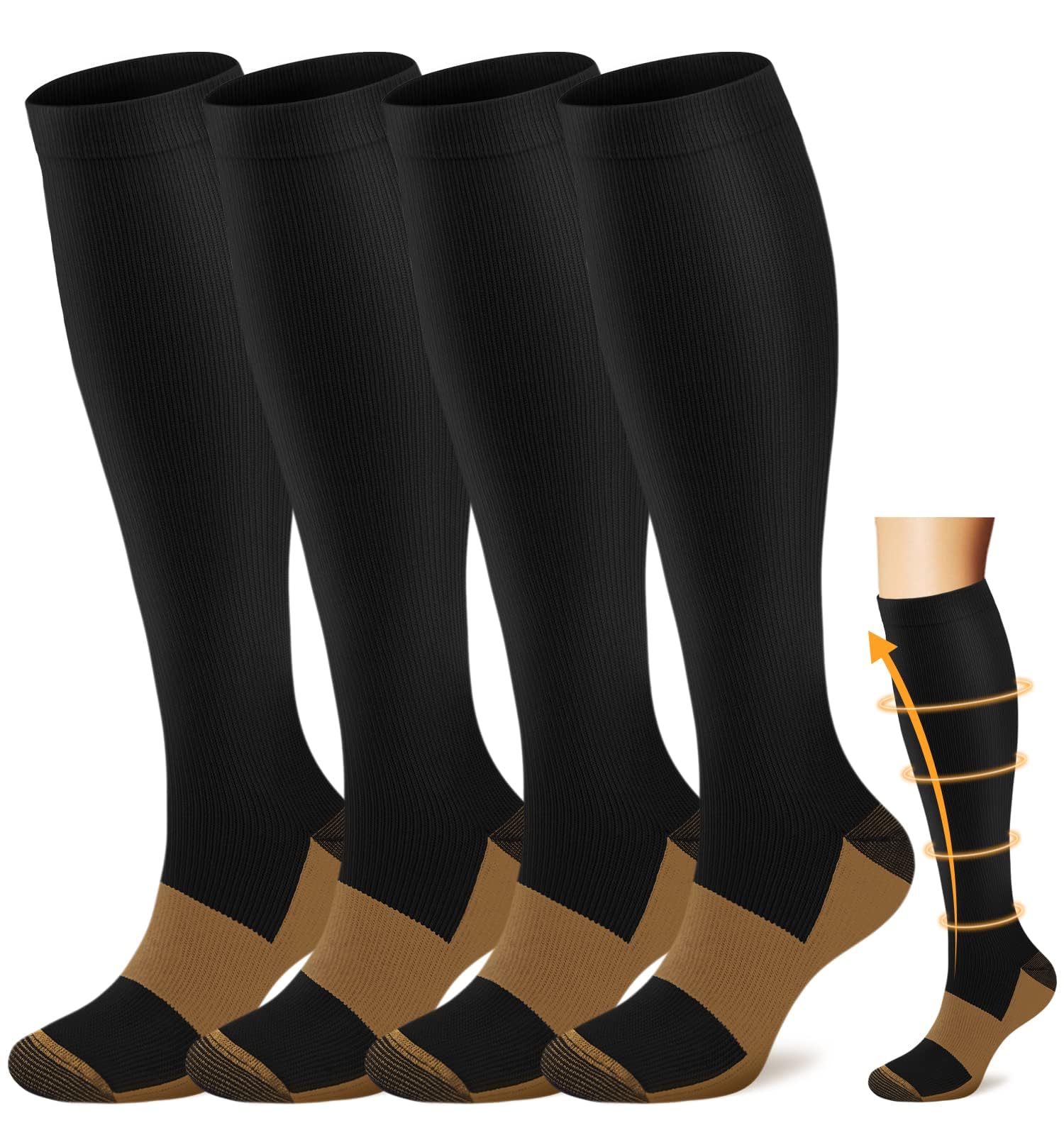
Best Travel Socks of 2026

Somewhere over the Atlantic on a red-eye, my ankles stopped fitting my shoes. That’s when travel socks stopped being a stocking-stuffer joke and became gear. The right pair applies just enough compression to keep blood moving when you’re stuck in seat 34B, and it stays put through security, terminal sprints, and the hotel lobby. The wrong pair pinches at the calf, slides into your shoe, or feels so tight you count the minutes until you can peel it off. A good travel sock fixes swelling and heaviness without making you feel like you’re in medical equipment.

I’ve worn them on long-haul flights, overnight trains, and weekend drives, and fit and quality matter more than marketing claims. Over three months, our team tested 16 pairs for compression that eases swelling and leg relief, comfort through a 14-hour travel day, and staying power after airport walks. Sizing is the sneaky issue—a pair that fits your shoe size can still be loose at the calf—so testers with different calf widths tried the same socks. The picks below earned carry-on space.

1

Best Overall

Copper Compression 8 Pairs

91 /100
Traveler Score Outstanding

Key details

Size
Large-X-Large
Fabric
85% nylon, 10% polyester, 5% copper fiber
Pack Size
8 pairs
Compression
15-20 mmHg
Check Details on Amazon

Eight pairs is the number that makes this our default recommendation. Four flight days with a connection at each end eats most of a small pack, and eight pairs carry a two-week trip with a spare left in the carry-on. The compression is rated 15-20 mmHg, the level we suggest most people start with: firm enough that you feel it working on a long leg, gentle enough that you stop noticing it somewhere over the ocean.

Getting compression socks on is where good intentions usually die, usually in a narrow seat with one hand holding a boarding pass. These slide on without a fight and come off just as easily, and the knit is thin enough to wear under trousers and inside a normal sneaker. The copper-blend fabric feels like plain nylon against the skin, with no scratch and no bulk, which is the most we ask of a sock that's going to spend nine hours inside a shoe.

Sizing is the one thing to sort before you order. These run small and there's no size chart worth trusting on the listing, so take the larger size if you're anywhere near a boundary; a sock that's too tight at the ankle is one you'll peel off mid-flight. Past that, the appeal is unglamorous and practical: a pack that lives in the bottom of a carry-on, rinses out in a sink, and means you stop thinking about your legs until you land.

Pros

  • Eight pairs cover a two-week trip
  • 15-20 mmHg suits most flights
  • Slides on and off without a fight
  • Thin enough for shoes and trousers

Cons

  • Toes and heels wear through
Our verdict

We recommend the eight-pair copper pack for most trips: 15-20 mmHg of squeeze, easy on and off, and enough pairs that you're never doing laundry in a hotel sink.

Check Latest Price
2

Best for Long-Haul Flights

Physix Gear 20-30 mmHg

89 /100
Traveler Score Excellent

Key details

Fit
Unisex adult
Compression
20-30 mmHg
Designed For
Running, nursing, shin splints, flight, travel
Check Details on Amazon

Twenty to thirty mmHg is the firmest squeeze on this page, and it's the whole reason to choose the Physix Gear pair over our top pick. If your ankles swell on a six-hour flight, or your calves ache after a shift on your feet, the extra pressure is the point rather than a side effect.

That firmness changes how they feel. These are equipment, not a cozy sock: you notice them on, and you notice them doing something. The pressure runs even from ankle to calf with no bunching behind the knee, and they stay where you put them for the length of a flight instead of creeping down toward your shoe. On the days your legs are the reason you're wearing compression at all, that consistency is worth more than comfort.

Make putting them on a job you do sitting down at the hotel or at the gate, because hauling this much compression over a heel in a middle seat is a fight nobody needs in public. One detail worth checking before you board: the toe seam sits flat on most feet, but if it lines up across the top of your toes rather than around them, adjust it at the gate, since a seam you notice at takeoff is a seam you'll be thinking about four hours later.

Pros

  • Firm 20-30 mmHg pressure
  • Even squeeze from ankle to calf
  • Stays put through a long flight
  • Noticeable relief for aching legs

Cons

  • Runs big and long in the leg
Our verdict

For a long-haul flight with a history of swelling, this is the firmer pair we reach for: 20-30 mmHg that stays up, provided the size suits your calf.

Check Latest Price
3

Best-Looking Pair

Hello Momoya 8 Pairs

93 /100
Traveler Score Outstanding

Key details

Style
Knee high
Pack Size
8 pairs
Designed For
Nursing, running, travel, athletic
Check Details on Amazon

Most compression socks announce themselves. These don't. The knee-high cut and sporty stripe read like something you'd wear for a run, and we've worn them with shorts at the airport without feeling like a patient in transit between appointments.

The cuff is the part we noticed most. It sits just below the back of the knee and stays there through the long walk to a far gate, which is more than we can say for socks that roll into a tourniquet halfway down the terminal. Pressure is light and graduated, the kind you can keep on from a morning departure through an evening arrival without wanting to slide them off under the table.

At the top of the price range on this page, they're the ones we justify when the sock has to do double duty: under trousers on the plane, with shorts at the beach bar an hour after landing. They also wash well. The black pair in our rotation has been through the machine more than the rest and still reads black rather than grey, which is not nothing in a sock you'll wear in public.

Pros

  • Sporty enough to wear with shorts
  • Cuff stays put below the knee
  • Light graduated pressure all day
  • Eight pairs in one pack

Cons

  • Heels and toes develop holes
Our verdict

These are the compression socks we pack when the trip involves shorts and dinners out, with a cuff that stays at the knee and eight pairs to share the load.

Check Latest Price
4

Best Budget

ACTINPUT Copper 4 Pairs

93 /100
Traveler Score Outstanding

Key details

Fit
Men and women
Pack Size
4 pairs
Designed For
Nursing, running, flying, cycling
Check Details on Amazon

Two four-packs on this page cost about the same, and this is the one we point a first-time buyer to. The knit is light, the cuff is gentle, and the whole sock pulls on in a couple of seconds, which matters more than it sounds when you're deciding whether compression is something you'll actually keep doing.

We've worn them on long travel days where the goal was less about medical-grade squeeze and more about getting off the plane with ankles that still looked like ankles. The pressure is steady without pinching, they don't dig in at the top, and the thin fabric works in warm destinations where a thick compression sock is unbearable by the second hour. Under a sneaker, you forget they're on.

The copper in the name is the marketing hook; what we can speak to is the weight and the fit. Sizing is the catch, because these run small through the foot, so a wide foot or anyone between sizes should move up. Four pairs is also the sensible quantity for a first purchase: enough to get through a round trip with a spare, without committing to a drawerful of socks you might not wear again.

Pros

  • Light knit for warm destinations
  • Pulls on without a struggle
  • Steady pressure without pinching
  • Four-pair pack keeps the outlay low

Cons

  • Runs small through the foot
Our verdict

If you've never worn compression socks, start here: a light, easy-on four-pack that costs the least commitment and shows you whether the idea works for your legs.

Check Latest Price
5

All-Day Walking

Fenglaoda 8 Pairs

91 /100
Traveler Score Outstanding

Key details

Style
Knee high
Pack Size
8 pairs
Compression
20-30 mmHg
Check Details on Amazon

The first thing we noticed is that they feel like a normal sock: soft, padded underfoot, with a flat toe seam you can't find with a finger. That's the pitch, and it holds up. Nothing about them reads medical, and nobody at the airport will ask what they're for.

Where they fit is the long walking day rather than the long flight. The squeeze comes up lighter than the 20-30 mmHg on the label on some pairs, which is fine for a day of museums and cobblestones and not enough if swelling is what you're trying to head off at altitude. We'd call them support socks for sightseeing, and on that job they're comfortable enough to keep on until dinner.

Eight pairs at a midrange price with a padded foot is a fair deal for something you'll wear on repeat, and having that many means one in the wash, one on, and six in the drawer. They also look like ordinary socks, which counts for more than the spec sheet suggests when you're wearing them with jeans in a restaurant.

Pros

  • Feels like an ordinary sock
  • Padded foot and flat toe seam
  • Eight pairs go a long way

Cons

  • Squeeze lighter than the label on some pairs
  • Cuff can slide down the calf
Our verdict

Think of these as comfort socks with a gentle squeeze rather than firm compression: good for long sightseeing days, not for a flight where swelling is the problem.

Check Latest Price
6

Colorful Everyday Wear

LEVSOX 20-30 mmHg

89 /100
Traveler Score Excellent

Key details

Fit
Women and men
Compression
20-30 mmHg
Designed For
Nursing, travel, pregnancy
Check Details on Amazon

The prints are what make these worth a look. Bold colorways, a wide enough range to match whatever you're wearing, and colors that stay bright through repeated washing rather than fading into pastels by the third trip. If the reason you avoid compression socks is that they look like something issued by a clinic, that problem is solved here.

Comfort is on the softer side. The knit is smooth, the foot has room in it, and they pull on without a wrestle, which makes them the pair you reach for on a standing shift or a day of walking rather than a sock you save for flights.

The top cuff is the part to check before you commit. It's sewn narrow, and on a wider calf it can bite within a couple of hours; pull the band up so it sits below the widest part of the calf rather than across it. If it still pinches there, the sock is the wrong shape for your leg rather than the wrong size, and no amount of sizing up will fix that.

Buy them for the looks and for a light, comfortable squeeze you'll keep on all day. If you want firm, verifiable compression for a long-haul flight, pick one of the 20-30 mmHg socks above instead, because the squeeze here can come up closer to an everyday sock than the label suggests.

Pros

  • Bright prints that survive washing
  • Easy to pull on and off
  • Comfortable through a standing shift

Cons

  • Heels develop holes after a few wears
Our verdict

Choose these for the prints and an easy all-day squeeze, not for firm flight compression, because the 20-30 mmHg on the label reads optimistic on some pairs.

Check Latest Price
7

Wide Calves

Iseasoo 4 Pairs

91 /100
Traveler Score Outstanding

Key details

Size
Large-X-Large
Colors
Black, grey, white, pink
Fabric
85% nylon, 15% polyester
Pack Size
4 pairs
Check Details on Amazon

Most compression socks assume a narrow calf and a modest foot. This pair doesn't. The Large-X-Large cut is genuinely roomy, wide through the foot and generous up the leg, which makes it the one to try if every other sock on this page has left a red line across your instep after an hour.

Four colors come in the pack, so you're not wearing the same black sock for a week, and the fabric is a plain nylon-polyester blend with none of the copper marketing attached. They're comfortable across a day of standing, and they're easy enough to pull on that you won't dread the morning routine on a walking trip.

The same maker's eight-pair pack is the snugger, copper-blend option; this one is the roomy alternative, and that's the whole decision. If you're small, a women's 6 or a narrow foot, it will swim on you and the compression won't do its job. For anyone whose calf has been squeezed by every other pair here, this is the four-pack to order.

Pros

  • Roomy through the foot and calf
  • Four colors in one pack
  • Comfortable for long standing days

Cons

  • Heels wear through quickly
Our verdict

The pick for a wide calf or a size 12 foot, with room most compression socks don't give and four colors to rotate through.

Check Latest Price

How We Tested Travel Socks

We started by pulling together more than 40 pairs from brands known for compression, hiking, and everyday comfort, then narrowed the shortlist by reading size charts, fiber content, and return policies. Price mattered, but so did whether a sock came in a range of calf widths rather than just shoe sizes. We ended up with 16 pairs and wore them for three months, on long-haul flights, overnight trains, weekend road trips, and the airport walks in between.

Each pair went through the same travel day: pull them on in a cramped seat, walk a terminal, sit for hours, then peel them off at the hotel. We noted whether the compression felt snug without pinching, whether the cuff stayed up after a mile of walking, and how legs felt that night. To check swelling, testers measured ankle and calf circumference before a flight and again after landing. For fit and sizing, we had people with different shoe sizes and calf widths try identical pairs and compared where the sock bunched, sagged, or dug in.

Comfort and ease of use came down to small things: whether a sock went over the heel without a wrestling match, whether seams rubbed under a shoe, and whether the toe box left room to wiggle. We washed every pair a dozen times and checked elastic, seams, and shape for durability and quality. The pairs that kept their compression and stayed put after repeated washes rose to the top; the ones that slumped or lost their snap did not.

How to Choose Travel Socks

Pick the compression level for the trip you're taking

Fifteen to twenty mmHg is the level we suggest most travelers start with. It's firm enough to feel on a long leg and gentle enough to wear from the security line to the rental car counter, which is why our top pick sits there. Twenty to thirty mmHg is a real step up in squeeze, and it earns its place when swelling is a known problem or a clinician has suggested firmer compression.

The trap is treating the higher number as the better sock. A firm sock you peel off two hours in has done less for you than a moderate one you forget about. If you're new to compression, buy the gentler level first and judge how your legs feel after the return leg.

Fit the calf first, then the foot

Compression socks are sized for the calf, not the shoe. Measure the widest part of your calf and buy against that number, because the foot portion has enough stretch to accommodate a half size either way. A sock that's right at the foot but snug at the calf will bind; one that's loose at the calf will slide down and compress nothing but the ankle.

The second thing to check is length. A sock that stops below the widest part of the calf has nowhere to grip and will roll into a band by mid-flight. A pair that reaches to just under the back of the knee stays where you put it.

Think about getting them on

Firm compression is hard to pull over a heel, and that difficulty is multiplied in a seat with your knees against the tray table. Make it a pre-boarding job: sit down, roll the cuff down to the toe, work the sock up in stages, and settle the band below the knee. Taking them off at the end of the flight is always easier than putting them on.

If your hands are arthritic or your grip isn't what it was, ease of use should outrank compression level in your decision. A lighter sock you can manage alone is worth more than a firm one you need help with.

Pack enough pairs to skip laundry

Count your flight days, not your trip days, then add one spare. A connection each way on a week-long trip means four pairs before you've done anything; a trip with a single long-haul return might need two. Multi-packs bring the per-pair price down sharply, and a thin knit rolls up smaller than a T-shirt.

A sink wash works in a pinch, but a damp sock at six in the morning is not a plan. Buy the pack that gets you home without laundry and you'll actually wear them.

Knit weight and looks decide whether you'll wear them

Light nylon blends disappear under trousers and inside sneakers, which is what you want for a warm-weather destination or an overnight flight where your feet swell and heat up. Thicker knits with a padded foot are more comfortable on a cold-weather walking trip and less comfortable in July.

Looks matter more than anyone admits. A sock that reads medical is a sock you take off before dinner. Sporty stripes, bright prints, and plain colors all exist here for a reason: pick the one you'd wear with shorts and it stops being something you endure.

Frequently Asked Questions

Final Verdict

For most trips we recommend the eight-pair copper pack: 15-20 mmHg, easy to pull on before boarding, and enough pairs to get through a two-week itinerary without doing laundry in a hotel sink. If swelling on a long-haul flight is the specific problem you're solving, step up to the Physix Gear pair and put them on before you reach the gate.

Not sure compression is for you yet? Start with the ACTINPUT four-pack. It costs the least commitment here and answers the question after one round trip.