6 Best Travel-Size Carbon Monoxide Detector 2026: Light and Portable

Which compact CO detector is truly travel-ready? This guide finds the lightest, most reliable alarms for hotels and camping.

Many travel-size CO detectors are just standard home alarms with a smaller label. They work, but at 8 to 11 ounces they're easy to leave behind. The real test for a travel alarm is whether you'll actually pack it for a weekend trip.

A lightweight detector under 6 ounces with standard AA batteries packs easier and eliminates the worry of finding a specific power source on the road. Digital displays add useful real-time readings but aren't essential for safety.

This guide focuses on the trade-offs between weight, battery type, and display features to help you choose a detector that fits your specific travel style — from ultralight backpacking to hotel hopping.

1

Best Overall

Kidde COBD

95 /100
Traveler Score Outstanding

Key details

Alarm
85 dB
Power
2 AA
Weight
5.92 oz
Display
Backlit digital
Check Details on Amazon

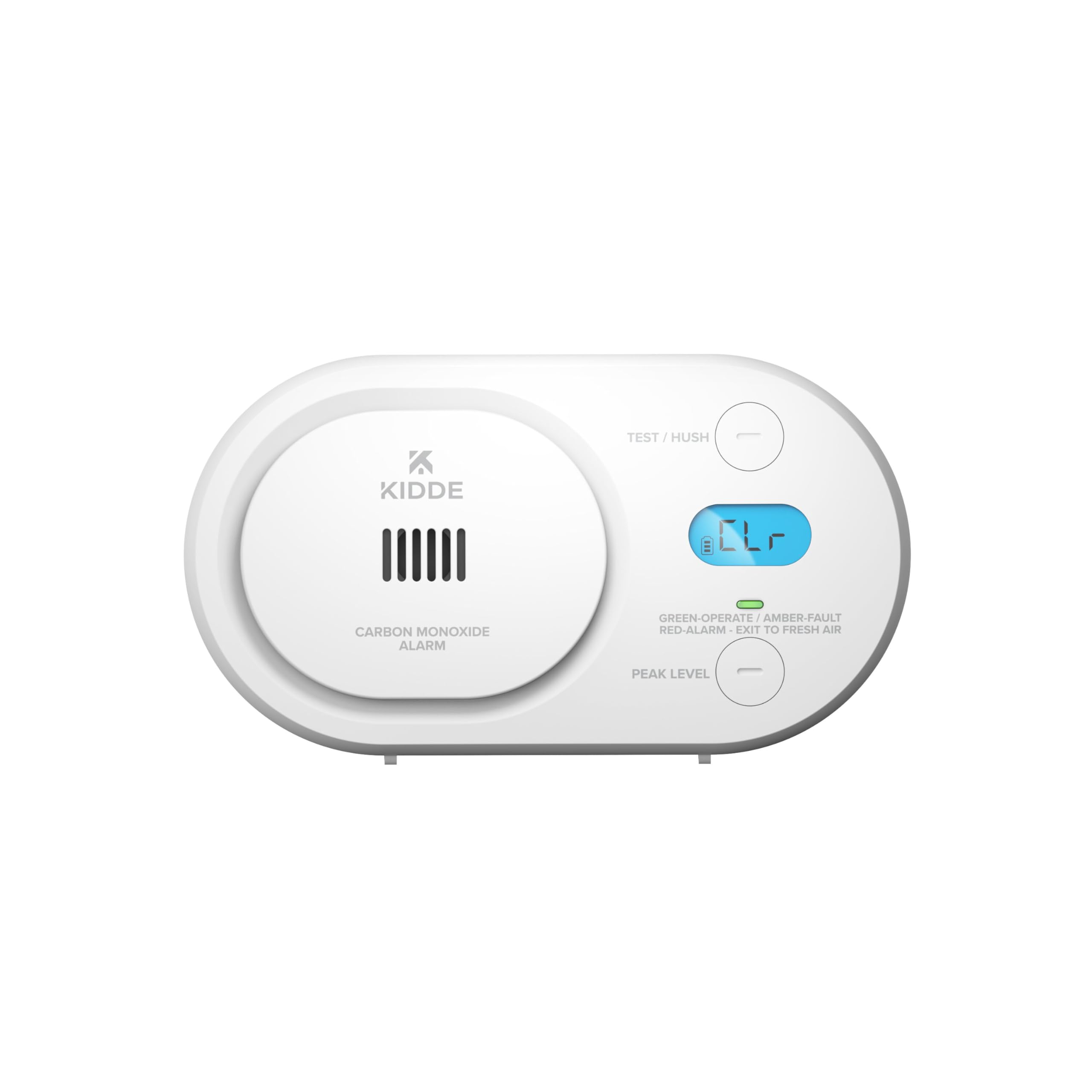
Weighing 5.92 ounces and running on two AA batteries, the Kidde COBD is the lightest CO detector with a backlit digital display. The screen shows carbon monoxide levels in real time, and the 85 dB alarm ensures you'll hear it even in a noisy hotel room. Included wall and tabletop mounts let you place it wherever you sleep.

This detector suits travelers who want to know exact CO levels without lugging a heavy plug-in unit. Battery life has been noted to vary — some owners find they replace batteries sooner than anticipated, but AA cells are easy to source mid-trip. The 10-year warranty backs the sensor, and the moderate price undercuts most digital models while offering more than basic alarms. Its compact 5.14-inch height fits in a carry-on pocket, and the backlit display is readable in dark spaces.

💡 Stash a few spare AA batteries in your travel kit — the detector's consumption can vary.

Pros

  • Backlit digital display shows carbon monoxide levels in real time
  • Versatile mounting options with included wall bracket and tabletop stand
  • Simple setup that takes seconds out of the box

Cons

  • Battery life may be shorter than anticipated, requiring spare batteries on longer trips.
Our verdict

The Kidde COBD is the lightest travel CO detector with a digital display, making it the right choice for anyone who wants real-time readings without excess weight. Pack spare AA batteries and you're set.

Check Latest Price
2

Best Budget Pick

First Alert CO400

93 /100
Traveler Score Outstanding

Key details

Alarm
85 dB
Power
9V
Weight
11.2 oz
Display
None
Check Details on Amazon

The First Alert CO400 is the lowest-priced carbon monoxide detector available, and its straightforward operation requires only battery insertion. The 85 dB alarm provides adequate alerting, and the 5-year limited warranty offers basic coverage. This suits home buyers on a budget who need basic CO monitoring without digital displays. At 11.2 oz, it's heavier than travel-optimized models, and some units have shown early durability issues.

💡 Check the included 9V battery before installing; swapping it for a fresh one prevents early false low-battery chirps.

Pros

  • Consistent CO detection
  • Easy installation with included mounting hardware
  • Good value for basic home safety

Cons

  • Battery may arrive depleted, requiring immediate replacement
  • Mounting holes may not align with prior brackets
Our verdict

For budget home buyers who don't mind its weight or the chance of early battery replacement, this is the cheapest way to get CO safety.

Check Latest Price
3

Best for Tech-Savvy Travelers

TOPTES CT-580

88 /100
Traveler Score Excellent

Key details

Alarm
Audible, visual, vibration
Power
Rechargeable USB-C
Weight
Display
TFT color
Check Details on Amazon

The TOPTES CT-580 stands out as the only rechargeable option here, with a vivid TFT display and a vibration alarm that makes it useful in noisy environments. It suits tech-savvy travelers, campers, and professionals who value portability and data visibility over simplicity. Accuracy can vary in some conditions, and the smaller review base means long-term behavior is less documented, so it is best for those comfortable with a bit of complexity in exchange for rechargeability and display quality.

Pros

  • Fast CO detection with audible, visual, and vibration alerts.
  • Build quality that feels like a professional-grade instrument.
  • TFT color display shows readings clearly in various lighting.

Cons

  • In environments with fluctuating air quality, the sensor may give occasional false readings.
Our verdict

Buy this if you want a rechargeable, feature-rich detector for travel or camp use and can accept occasional accuracy hiccups.

Check Latest Price
4

Best Basic Travel Companion

Kidde KN-COB-LP2

95 /100
Traveler Score Outstanding

Key details

Alarm
85 dB
Power
2 AA
Weight
8 oz
Display
None
Check Details on Amazon

This Kidde detector is the most-reviewed CO alarm on Amazon, praised for its simple operation and compact size that fits a travel bag without adding bulk. It uses an electrochemical sensor and sounds an 85 dB alarm when CO is detected — no digital display, just audible warning. For budget-conscious travelers who prefer a no-frills approach, it's a practical choice, though battery life inconsistencies have been noted: some units may arrive with batteries that drain sooner than expected, so it's worth checking before relying on it for a trip.

💡 Replace the batteries before each trip to avoid surprise low-battery alerts at the worst moment.

Pros

  • Simple to install and operate
  • Compact size slides easily into luggage or a glove compartment.
  • Solid build quality for the price, holding up well during travel.

Cons

  • In a travel bag, a dead battery on arrival can mean no protection
  • In a loud hotel room or near a fan, the 85 dB alarm may be hard to hear over ambient noise.
Our verdict

For travelers who want a simple, no-display CO detector and are okay with verifying battery condition before each trip, this Kidde is a budget-friendly option with massive user validation.

Check Latest Price
5

Digital Display Seekers

First Alert CO410

91 /100
Traveler Score Outstanding

Key details

Alarm
85 dB
Power
AA
Weight
8.3 oz
Display
Digital with peak level
Check Details on Amazon

The First Alert CO410 provides a clear digital display and peak level memory for tracking CO readings, and installation is straightforward with AA batteries. For home use or packing in a suitcase occasionally, it functions well. However, at 8.3 oz it’s heavier than the top travel pick, and the plastic battery door can break during changes. Battery life may run shorter than expected, so keeping spare cells handy is wise for longer trips.

Pros

  • Digital display with peak level memory for easy monitoring
  • Simple battery installation and wall mounting

Cons

  • Battery life may be shorter than expected; spare batteries recommended for extended trips
Our verdict

Best suited for home use or light travel where a digital readout is desired — choose the Kidde COBD if weight and battery door durability rank higher.

Check Latest Price
6

Nighthawk Fans

Kidde Nighthawk

89 /100
Traveler Score Excellent

Key details

Alarm
Power
3 AA
Weight
9.6 oz
Display
None
Check Details on Amazon

The Kidde Nighthawk fits existing mounting brackets from prior models, making replacement simple for current owners. At 9.6 oz it's heavier than newer Kidde options and lacks a digital display, so travelers prioritizing lightweight packing should look at the slimmer COBD. Its older design and heavier weight make it best suited as a bracket-compatible swap, not a travel upgrade.

Pros

  • Compatible with existing Nighthawk mounting brackets for quick replacement.
  • Test button confirms sensor functionality with audible response.

Cons

  • Heavier than newer Kidde models at 9.6 oz, less suited for travel packing.
Our verdict

Worth considering if you already own a Nighthawk bracket and don't need a travel-optimized detector.

Check Latest Price

How to Choose

Weight and Portability

Every ounce counts when packing. A detector under 6 ounces slips easily into a carry-on or daypack, while 11-ounce models may feel like a burden. The difference between 5.9 and 8 ounces might not seem large, but over a multi-stop trip, it can mean the difference between bringing it and leaving it behind.

Heavier detectors often use larger batteries or thicker plastic casings. Choose a model that matches your packing style: ultralight travelers should aim for under 7 ounces, while car campers can accept more weight in exchange for features.

Power Source: AA vs. Rechargeable

AA batteries are the most travel-friendly option because they are available worldwide and can be swapped instantly. Rechargeable detectors eliminate battery waste but require a USB port and charging time, which can be a problem on extended trips without reliable power.

9V batteries are less common in travel stores and often more expensive per replacement. If you prefer rechargeable, USB-C models offer faster charging and universal cable compatibility.

Display: Digital vs. Basic

A digital display shows real-time CO concentration, which helps you spot minor leaks before they become dangerous. Basic alarms only sound when levels reach 70 PPM or higher, offering the same safety protection without the extra detail.

Digital displays add cost, weight, and battery drain. For most travelers, a basic alarm is sufficient for safety, but if you want peace of mind from seeing actual readings, look for a backlit display that is readable in low light.

Alarm Features and Loudness

All standard CO detectors sound an 85-decibel alarm, which is loud enough to wake most sleepers. Some models add visual flashing lights or vibration alerts for noisy environments or hearing-impaired users.

Vibration alerts are particularly useful for camping or industrial use where ambient noise may mask an audible alarm. However, they consume more battery and are only found on premium models.

Sensor and Certifications

Electrochemical sensors are the industry standard for CO detection, responding accurately to carbon monoxide while ignoring other gases. All detectors here use this sensor type, so you don't need to compare sensor specs.

Certifications from accredited labs (e.g., UL, CSA) ensure the detector meets safety standards. Most travel-friendly models carry a 10-year sensor warranty, but the actual sensor lifespan is typically 7-10 years before replacement is recommended.

Frequently Asked Questions