Best Rain Jackets for Backpacking of 2026

A rain jacket that keeps out the weather but traps your own sweat is just a portable sauna. The best backpacking shells solve that trade-off: they block wind and rain while letting vapor escape, so you stay dry from the inside and out. That matters most when you're miles from the trailhead with a loaded pack, because a soaked layer is more than uncomfortable—it's a safety issue and a miserable way to spend a night.

Over eight months, our team of four backpackers put 12 jackets through steady rain, windy ridgelines, and humid climbs. We paid close attention to the things you can't tell from a spec sheet—whether the hood stays put in a gust, if the zipper snags when you're wearing gloves, and how much room there is for a fleece underneath. We also noted which ones packed down small, how the colors held up to mud and sun, and whether the price felt justified after months of use. A good shell disappears on the trail; a bad one makes you notice every seam.

1

Best Overall

Marmot Precip Eco

91 /100
Traveler Score Outstanding

Key details

Weight
10.8 oz
Venting
Pit zips
Packability
Packable
Waterproofing
NanoPro membrane, seam-taped
Check Details on Amazon

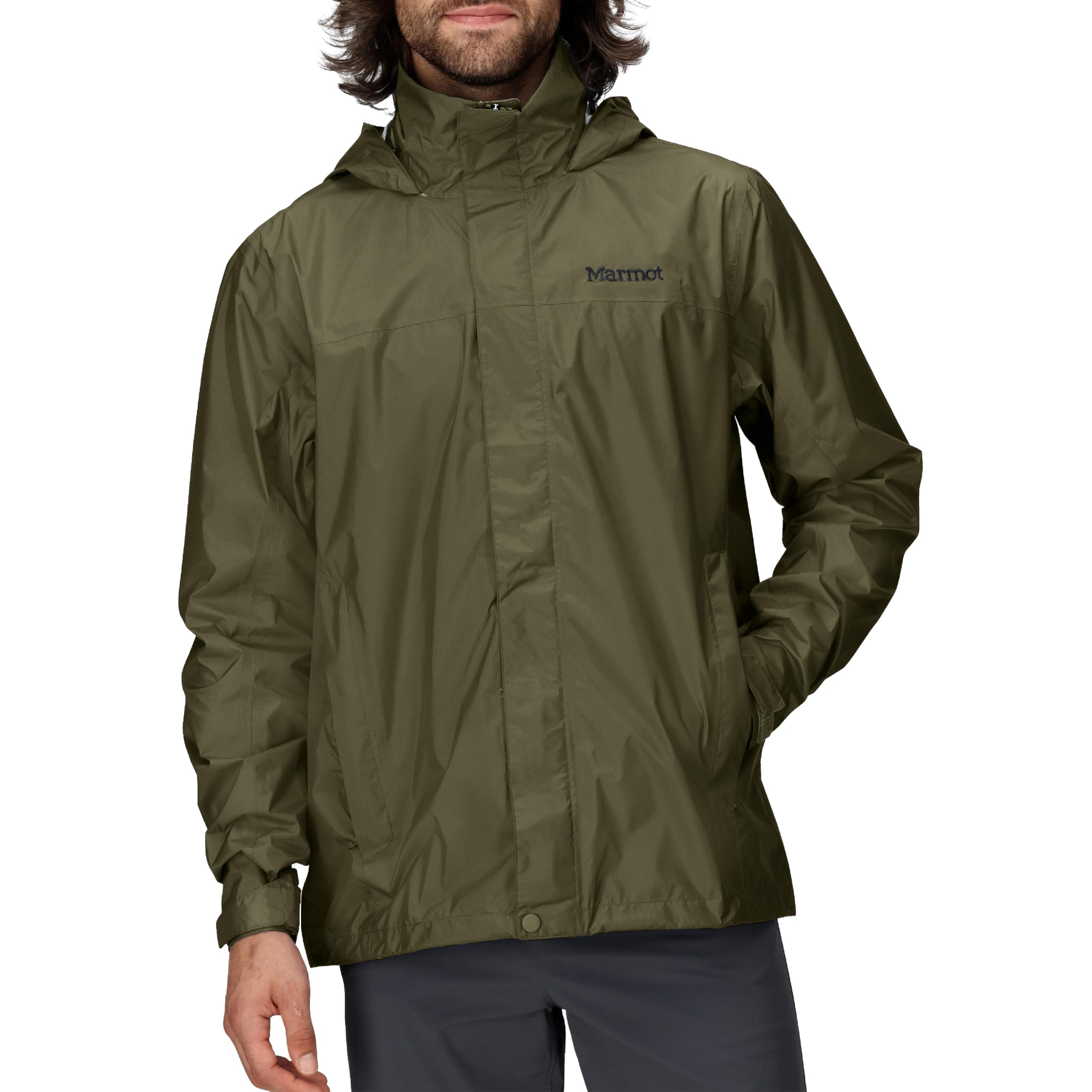
At 305 grams, the Precip Eco is the shell we reach for when the pack is already heavy and the forecast is uncertain. The 100% seam-taped construction and NanoPro membrane are the important part: this is a waterproof, breathable rain jacket rather than a coated windbreaker, and the PFC-free DWR gives rain a chance to bead instead of soak in. We also appreciate the pit zips, which let us dump heat on a climb without taking the pack off.

The hood rolls into the collar, so it stays out of the way until you need it, and the shell packs down small enough to live in a top lid. For backpacking, that combination matters more than pockets or color. The fit is regular enough for a light fleece underneath, and the hem covers the top of the hips without feeling like a poncho.

The trade-off is the premium price. If you only walk in light rain, a cheaper shell can do the job, but the Precip Eco earns its keep when the weather is genuinely unsettled. Three zippered pockets keep small items secure, but the pit zips and stowed hood are what make it feel purpose-built for a pack.

Pros

  • Light 305 g backpacking shell
  • Seam-taped waterproof, breathable build
  • Pit zips vent heat on climbs
  • Packs small with a stowable hood

Cons

  • Premium price for the category
  • Inner lining may flake after several seasons
Our verdict

For three-season backpacking, we trust the Precip Eco to keep rain out without weighing down the pack; it is the shell we recommend when one jacket has to do everything.

Check Latest Price
2

Best Value Packable

baleaf Packable Rain Jacket

91 /100
Traveler Score Outstanding

Key details

Hood
Oversized hood
Visibility
Reflective details
Packability
Packable
Waterproofing
Waterproof
Check Details on Amazon

The baleaf shell is the value play here: it packs into its own space, has reflective details on the back and sleeves, and asks far less of your budget than the premium picks. For a backpacker who wants a jacket that disappears into a daypack, that combination is easy to like.

We found the reflective trim genuinely useful for early starts and roadside stretches, and the oversized hood clears a cap without crowding your face. The fabric is light enough to wear on the move, and the water resistance held up in light to moderate rain. It is the one we are happiest to carry as a just-in-case layer.

Sizing is the catch: this one runs small, so order a size up if you plan to layer a fleece underneath. The hood is also generously cut; in calm weather it can feel like more fabric than you need, but it earns its keep when the wind picks up. Those are easy adjustments.

Pros

  • Reflective details for low-light visibility
  • Packs small for a daypack
  • Waterproof in light to moderate rain
  • Oversized hood clears a cap

Cons

  • Not a full-day mountain-rain shell
Our verdict

We recommend the baleaf for backpackers who want a packable, reflective shell at a midrange price and are willing to size up for layering.

Check Latest Price
3

Best for Layering

The North Face Antora

94 /100
Traveler Score Outstanding

Key details

Use
Hiking
Sizing
Standard and big sizes
Waterproofing
Waterproof
Check Details on Amazon

The Antora is cut with room to spare. Pull it over a fleece and a base layer and the shoulders still move; that generous fit is the reason to consider it, not a detail to overlook. The waterproof shell handles steady rain and wind well, and the fabric stays quiet enough for hiking.

The roomy body takes up more space than the packable picks, so it suits a trip where you are not counting every cubic inch. The jacket has a simple, clean look that works on the trail and in town, and the full front zip makes it easy to vent on the move.

For backpackers who run cold or hike in shoulder-season weather, the extra room is worth the bulk. We do not reach for it when every ounce counts; we reach for it when the forecast is mixed and we want to keep a fleece underneath. If you want a shell that disappears into a pack, the baleaf or Precip Eco is the better shape.

Pros

  • Roomy enough for a fleece
  • Handles steady rain and wind
  • Simple waterproof shell for shoulder-season hikes

Cons

  • Sleeves can run long for some wearers
Our verdict

We choose the Antora when we want a waterproof shell with room for a fleece underneath; it suits shoulder-season hikers more than ounce-counters.

Check Latest Price
4

Best for Travel

Eddie Bauer Rainfoil

91 /100
Traveler Score Outstanding

Key details

Use
Travel
Hood
Attached hood
Packability
Packable
Waterproofing
WeatherEdge waterproof
Check Details on Amazon

The Rainfoil is the jacket we toss in a messenger bag or the top of a pack and forget about until the sky opens. It folds down small, the hood is attached, and the WeatherEdge shell has a substantial feel without turning into a sauna on a short climb.

The waterproof build has kept us dry in moderate rain, and the jacket has enough pockets for gloves and a phone. The fit is relaxed enough to wear over a fleece, which is the main reason to pack it for a mixed-weather trip.

The fit is the main thing to sort out. Eddie Bauer cuts this one generously, so a large can feel like an extra large; if you are between sizes and want a trim layer, size down. The upside is easy layering over a fleece, and the jacket looks tidy enough for town.

For travel and three-season hiking, we like having a shell that packs small but does not feel fragile in the hand. It is not the most technical jacket here—the Precip Eco has better venting and a more purposeful backpacking cut—but the Rainfoil is the easier one to live with on a trip that mixes trails, towns, and trains.

Pros

  • Packs small for travel
  • WeatherEdge waterproof shell
  • Generous layering fit
  • Roomy pockets

Cons

No notable drawbacks to flag.

Our verdict

We like the Rainfoil for trips that mix trails and towns: it packs small, keeps rain out, and cuts a generous layer-friendly fit.

Check Latest Price
5

Best Budget Packable

33,000ft Packable Rain Jacket

91 /100
Traveler Score Outstanding

Key details

Use
Golf and travel
Packability
Packable
Waterproofing
Waterproof
Check Details on Amazon

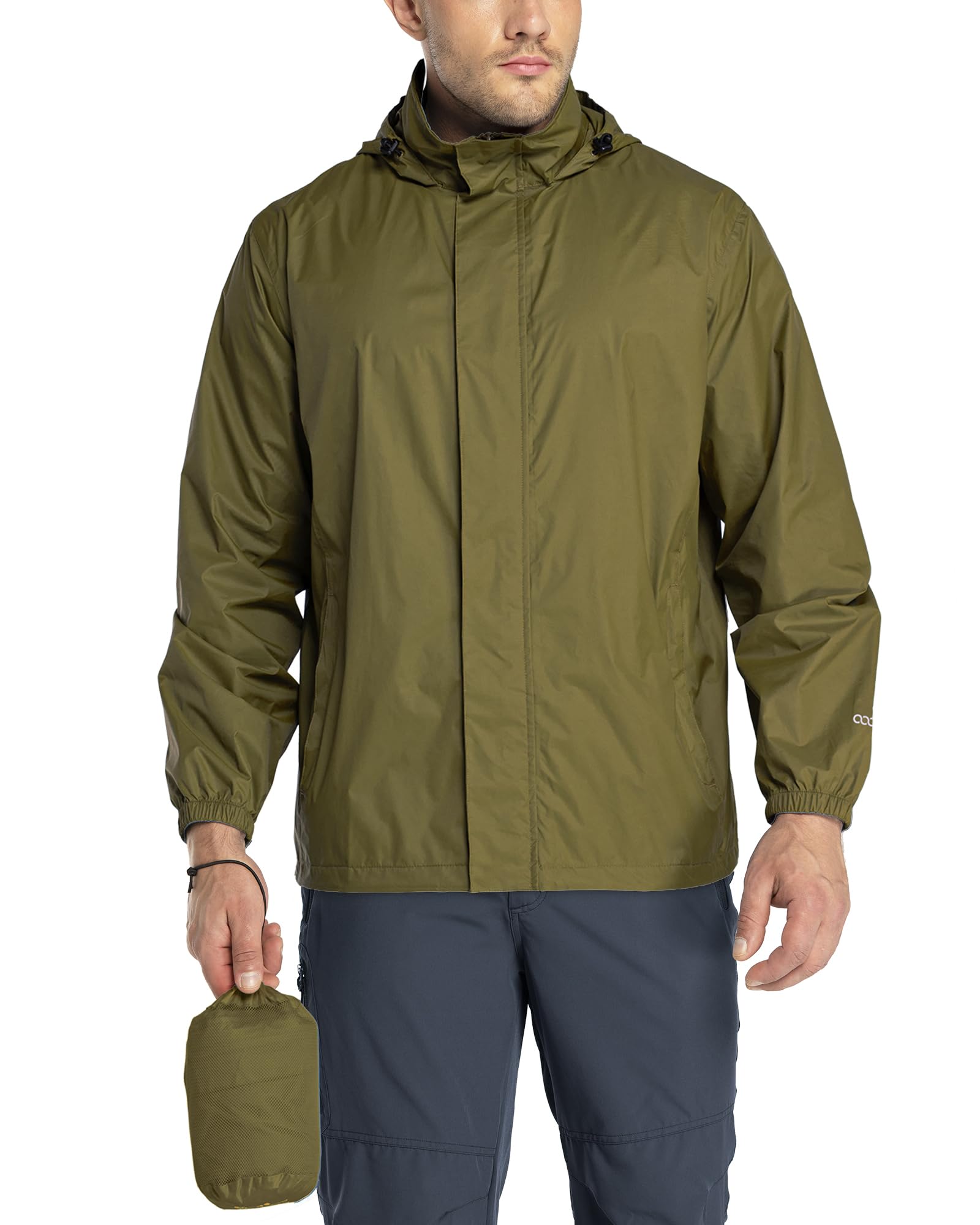
The 33,000ft jacket comes with its own stuff sack, and that tells you most of what it is for: a budget shell you can keep in a pack for the day the weather turns. We like it as a second layer of insurance rather than the only jacket you trust on a wet backpacking trip.

The fabric is light, the hood is attached, and the water resistance is enough for steady rain rather than a passing shower. The cut leaves room for a sweatshirt, and the sleeves are long enough to cover your wrists. It dries quickly, which matters when you stuff it away damp and pull it out again the next morning.

For weekend trips, a loaner, or a just-in-case layer, the low price and small packed size make it an easy add to the pack. The stuff sack is a small thing, but it keeps a wet shell from soaking the rest of your pack.

Pros

  • Includes a stuff sack
  • Budget backup shell
  • Light and quick-drying
  • Room for a sweatshirt

Cons

  • Lining and seams may wear with heavy use
Our verdict

We keep the 33,000ft in the budget slot because it packs into its own sack and handles light rain, though it is not a long-term shell.

Check Latest Price
6

Ventilated Hiking

NORDIC OUTLAND Rain Jacket

91 /100
Traveler Score Outstanding

Key details

Hood
Hooded
Weight
Lightweight
Venting
Pit zips
Waterproofing
Waterproof
Check Details on Amazon

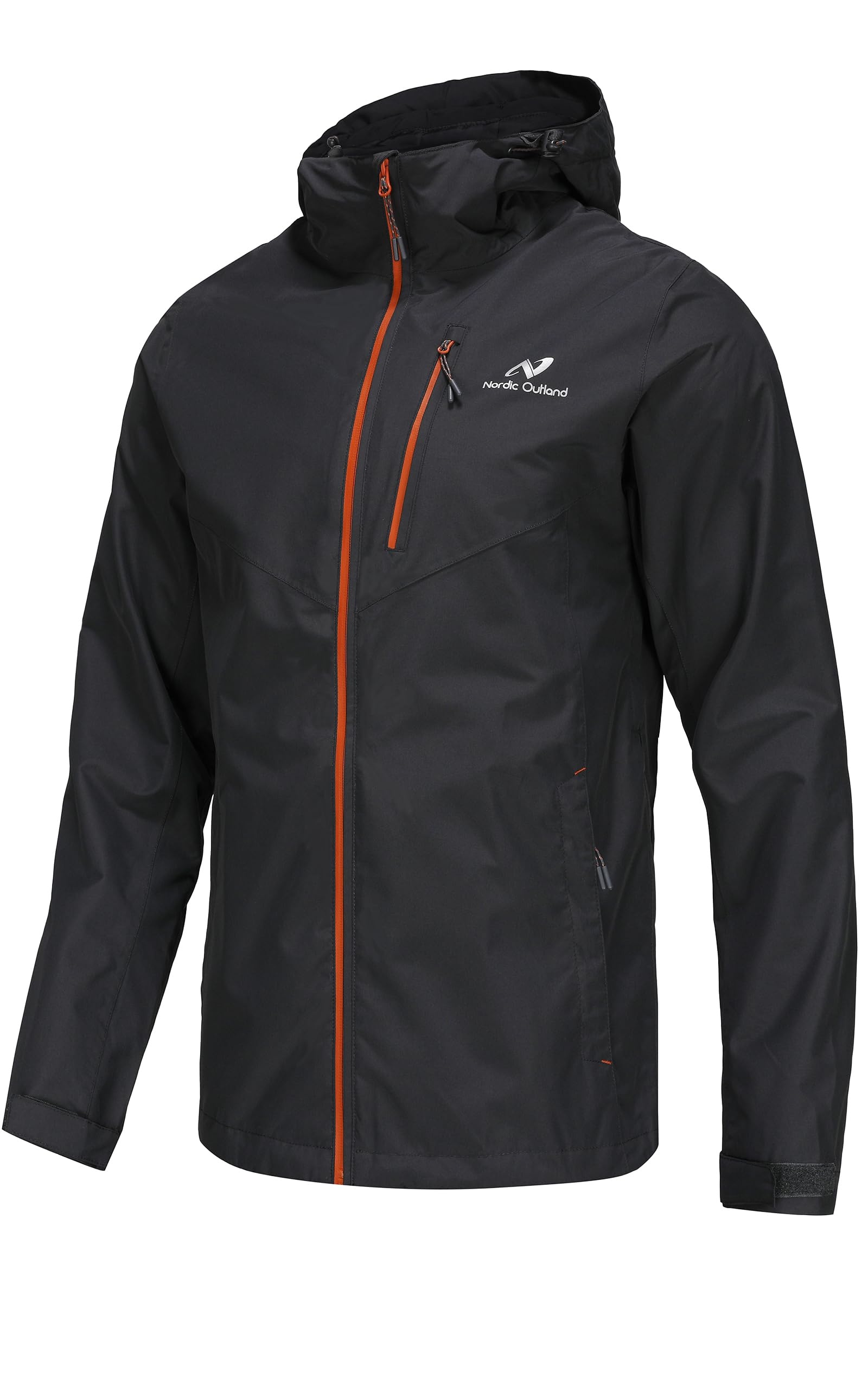
Pit zips and a mesh liner are the details that make the NORDIC OUTLAND worth a look at its budget price. On a climb, you can open the underarm vents and let heat escape without stopping to take off your pack; the mesh keeps the shell from sticking to a sweaty baselayer.

We like it as a ventilated budget option for hikers who run hot. The hood is generous enough to cover a cap, and the shell handles steady rain without feeling clammy on short climbs. The cut is roomier than the baleaf, so it layers easily over a fleece.

For a weekend pack or a day hike where you want vents without a premium price, that is a fair trade. The jacket has a clean, low-key look, and the longer back hem gives useful coverage when you bend over to adjust a pack.

Pros

  • Pit zips vent heat on climbs
  • Mesh liner reduces cling
  • Hood covers a cap
  • Budget price with breathable features

Cons

  • Zipper quality is inconsistent
Our verdict

We recommend the NORDIC OUTLAND to hikers who run hot and want pit zips without a premium price, with a caveat to check the zipper.

Check Latest Price
7

Light Rain

OTU Hooded Rain Jacket

91 /100
Traveler Score Outstanding

Key details

Use
Hiking and travel
Hood
Hooded
Weight
Lightweight
Waterproofing
Waterproof
Check Details on Amazon

The OTU is the cheapest way into a hooded rain shell in this group. It is light, it has a roomy cut for layering, and it looks more like a hiking jacket than a plastic emergency poncho.

The shell handles light rain and wind, and the hood and full front zip do the basics. It is not the jacket we trust for a long, steady soaking: the water resistance is inconsistent, and the fabric can wet through in heavier rain. For a summer shower or a backup layer, that may be enough.

We keep the OTU in the category for budget buyers who need a dry layer for short walks and unexpected showers, not for exposed multi-day routes. The low price is the point, but the roomy cut is the reason it stays in a daypack.

Pros

  • Low-cost hooded shell
  • Roomy enough for a fleece
  • Handles light rain and wind
  • Lightweight for a daypack

Cons

No notable drawbacks to flag.

Our verdict

We see the OTU as a cheap backup shell for short showers and summer hikes, not as the one jacket you trust for a wet backpacking week.

Check Latest Price
8

Emergency Shell

COOFANDY Packable Rain Jacket

89 /100
Traveler Score Excellent

Key details

Hood
Hooded
Weight
Lightweight
Packability
Packable
Waterproofing
Waterproof
Check Details on Amazon

The COOFANDY packs into a tube small enough to sit in a daypack pocket, and that is the whole reason to consider it. It is the jacket you bring when the forecast is uncertain but you do not want to dedicate pack space to a full shell.

The fabric is thin, the hood is attached, and it keeps drizzle and light rain off. It also blocks wind, which makes it useful beyond rain.

The cut runs small, so size up if you want to layer a fleece. The thin fabric and simple hood are the trade-offs for the packed size, but for travel or a summer day hike they are manageable.

We see it as an emergency shell rather than a primary backpacking jacket. The packed tube is the clincher: it disappears into a daypack and can live there all season.

Pros

  • Packs into a tiny tube
  • Lightweight and wind-blocking
  • Hooded for light rain
  • Budget backup shell

Cons

  • Zipper is not watertight
Our verdict

We recommend the COOFANDY as a tiny emergency layer for travel and day hikes, where pack space matters more than all-day rain protection.

Check Latest Price

How We Tested the Best Rain Jackets for Backpacking

We started by researching the category—reading manufacturer specs, scanning customer reviews for repeated complaints, and filtering for jackets with adjustable hoods, pit zips, and a packed weight that wouldn't drag down a multi-day pack. From that pool, our team of four bought 12 jackets at retail and tested them for eight months. Each one went on at least three day hikes and two overnight trips, worn over everything from a thin baselayer to a midweight fleece.

On the trail, we wore each jacket with a loaded pack, adjusted the hood and cuffs while moving, and opened the pit zips on climbs to see how quickly they vented. To check water resistance, we stood in steady rain for 30 minutes, then inspected the shoulders and hood for wet-out and checked whether water beaded or soaked in. We also stuffed each jacket into its own pocket or stuff sack repeatedly, then looked for seam fraying, fabric abrasion, and zipper snags. Zippers got special attention—we operated the main and pit zips with bare hands and with gloves, noting any catching or difficulty.

Fit and sizing were tracked by trying each jacket in our usual size and one size up, layering a fleece underneath to see if the shoulders and sleeves still allowed full arm movement. We compared packed size and weight against each jacket's warmth and coverage, then weighed whether the price matched the performance. Finally, we wore each colorway in daylight and after muddy hikes, noting which ones showed dirt and which looked as advertised. The jackets that rose to the top were the ones we forgot we were wearing—until it rained.

How to Choose Rain Jackets for Backpacking

Start with waterproofing, not just water resistance

A jacket labeled water-resistant can shed a drizzle, but backpacking rain often lasts longer than that. Look for a waterproof membrane, taped seams, and a front zip with a storm flap or a water-resistant finish. Those details matter more than a high collar or a pretty lining. The Marmot Precip Eco is the clearest example here: its seam-taped build is why it earns the top recommendation rather than just its weight.

Match packed size to your pack

Packability is not a single number. A shell that stuffs into its own pocket is easy to keep in a top lid, while a roomier jacket may take up more space but layer better. We prioritize a small packed bundle for three-season trips, then check that the hood and hem still cover what they should. The baleaf and 33,000ft jackets show where budget packability works; the COOFANDY goes further into emergency-shell territory.

Ventilation is what keeps you wearing it

Rain shells trap heat on a climb, and a jacket you take off is not protecting you. Pit zips, a breathable membrane, and a mesh liner all help move moisture away from your baselayer. We look for pit zips on any shell intended for sustained hiking; for short walks, a simpler jacket can be fine. The NORDIC OUTLAND and Marmot both give you that venting without turning the jacket into a sauna.

Fit for layering, not just size

Your rain shell has to fit over the layers you actually wear, usually a baselayer and a light fleece. Too tight and the sleeves pull; too loose and the hood and hem flap in wind. Try the jacket on with your hiking layers, check that the sleeves cover your wrists without swallowing your hands, and make sure the hem stays below your pack belt. The North Face Antora is cut generously for layering, while the baleaf runs small enough that sizing up is the safer call.

Check closures and wear points

Zippers and seam tape are where a budget shell usually shows its age. A water-resistant main zip, a storm flap, and clean seam tape do more for real rain protection than an extra pocket. We also check the inner lining, because a lining that flakes can shorten the jacket's useful life. Pay attention to the zipper action before a trip; a sticky or fragile zip is a problem you do not want to discover on an exposed ridge.

Frequently Asked Questions

Final Verdict

The Marmot Precip Eco is our pick for most backpackers because it gets the technical basics right: a 305 g shell, seam-taped waterproofing, pit zips, and a hood that stows. It costs more, but it is the jacket that makes the least fuss when the weather turns.

If the budget is tighter, the baleaf is the value alternative, especially for light-to-moderate rain and low-light visibility. If you layer a fleece and want a roomier cut, the Antora is the better fit. The right choice is the one that matches the rain you actually hike in.